Common tree pruning mistakes include cutting without a clear objective, removing too much living crown, damaging the branch collar and treating every species alike. Some errors become apparent only when decay or weak regrowth develops later. For trees in Gloucester, a precise specification and an assessment of the tree's condition are better safeguards than simply asking for a severe cutback.
Mistake one: asking for a vague cutback
Instructions such as halve it or give it a tidy do not explain what the work must achieve. One contractor might interpret them as crown reduction, another as removal of lower branches, and another as extensive cutting throughout the canopy. These are different operations with different effects. Start with the problem: a branch over a roof, insufficient clearance above a path or a particular structural concern.
Ask for a description that identifies the intended finished dimensions or branches involved and the reason for the operation. Percentage language needs particular care because reducing crown height, spread and foliage are not the same measurement. A useful specification allows you and the contractor to recognise the intended result. It also gives the tree a defined treatment rather than an open-ended invitation to remove whatever looks excessive on the day.
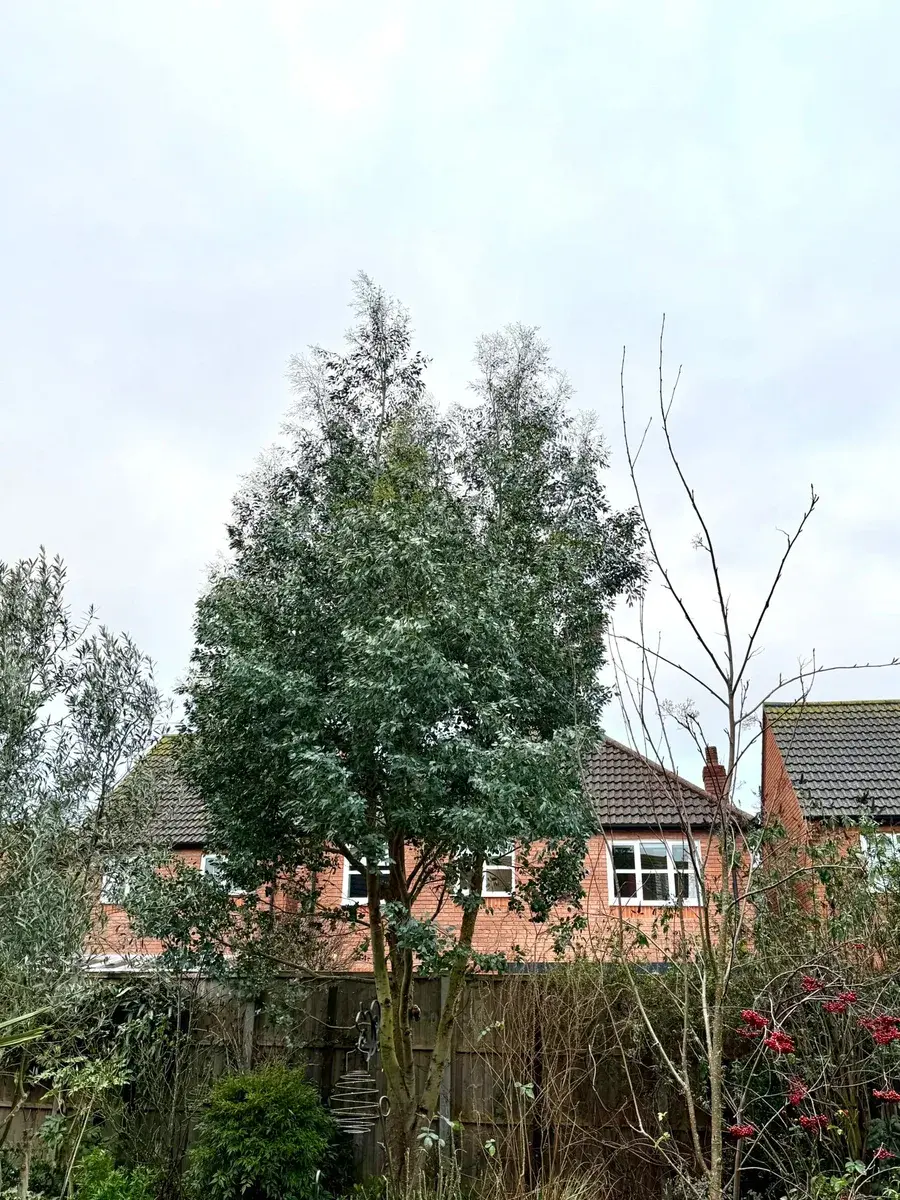
Mistake two: taking too much live growth
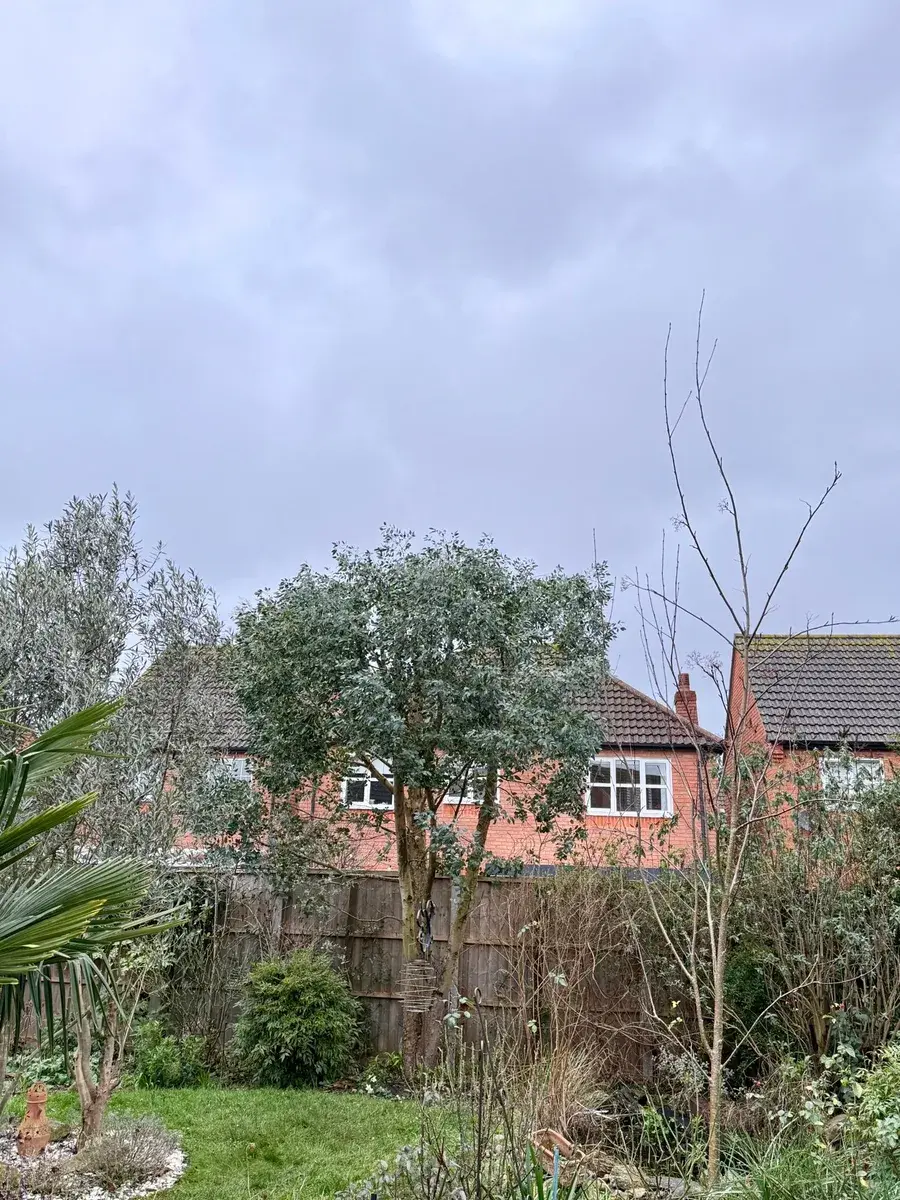
Removing a large amount of living foliage can trigger vigorous shoots while leaving substantial wounds and a reduced capacity to produce energy. A smaller outline immediately after work does not necessarily mean an easier tree to manage over the following years. The effect depends on species, age, previous management and condition. Old or stressed trees may tolerate much less intervention than a vigorous young specimen.
Recent conditions matter too. The Met Office provisionally reported a UK mean summer temperature of 16.5°C in 2026, the warmest summer in its series beginning in 1884. This national statistic is not a measure of one tree's water stress. It is a reminder to assess current vitality and site moisture before optional heavy pruning, rather than treating an already stressed tree as though it has unlimited reserves.
Need help choosing appropriate pruning work?
For professional tree pruning, Wood Lane Treeworks works across the following local communities:
Practical points
- Specify the outcome instead of a severe cutback.
- Avoid arbitrary cuts through major branches.
- Review the response before repeating the treatment.
Mistake three: topping a mature tree
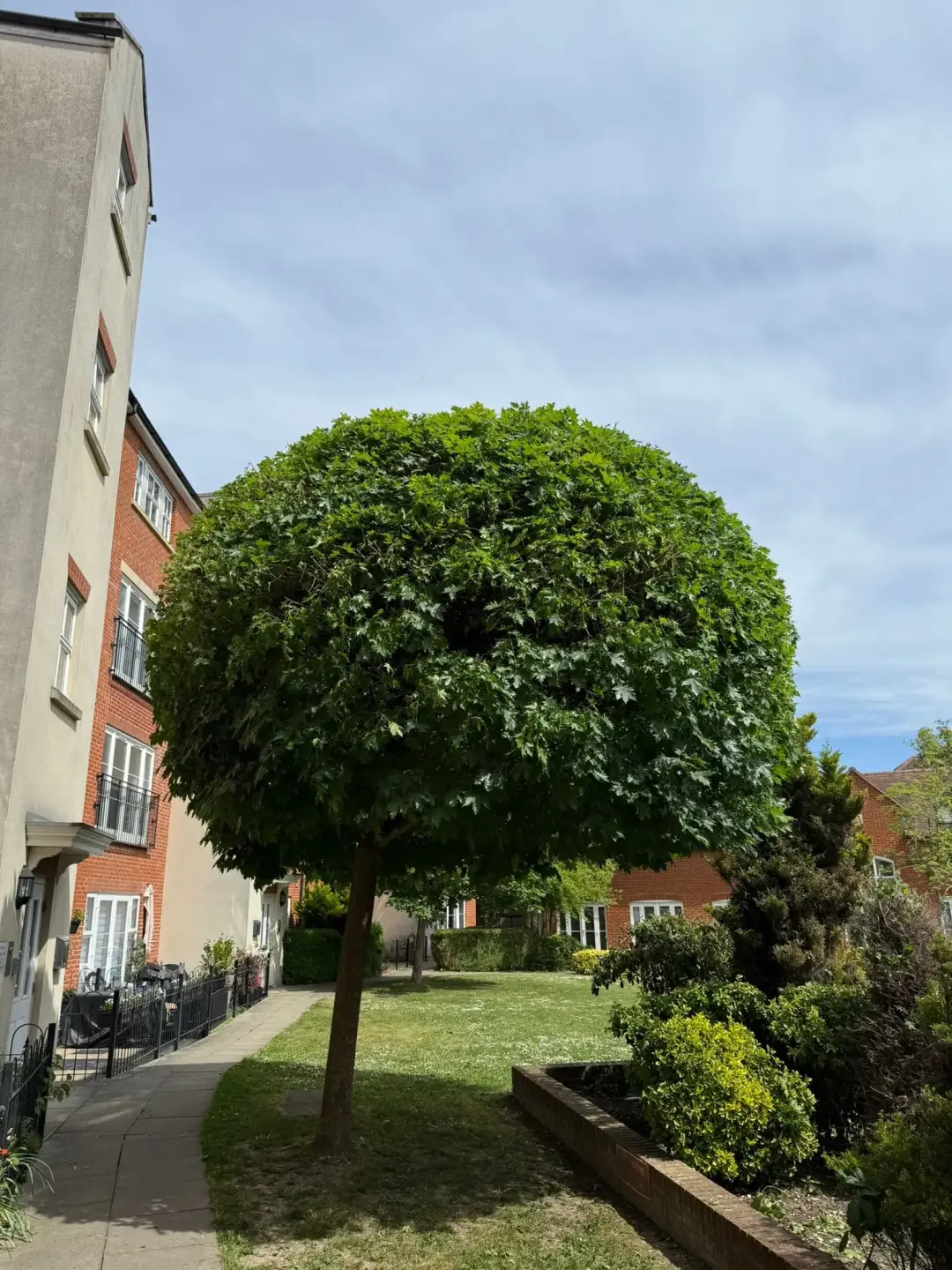
Topping removes major branches or the upper stem at arbitrary points, often leaving large stubs. It can spoil the natural structure and provoke dense regrowth that creates further maintenance demands. The immediate visual result can disguise the longer-term problem: the tree has become shorter, but its wounds and new shoot attachments may need more management rather than less. It is not a substitute for a considered reduction.
Pollarding is a distinct management system started and maintained on suitable trees; the word should not be used to justify severe cutting of any mature tree. Ask whether the proposed work preserves a suitable framework and why the species can tolerate it. If acceptable clearance would require repeatedly removing most of the crown, discuss whether the tree is suitable for that location instead of committing to an escalating cycle of cutting.
Mistake four: leaving stubs or cutting flush
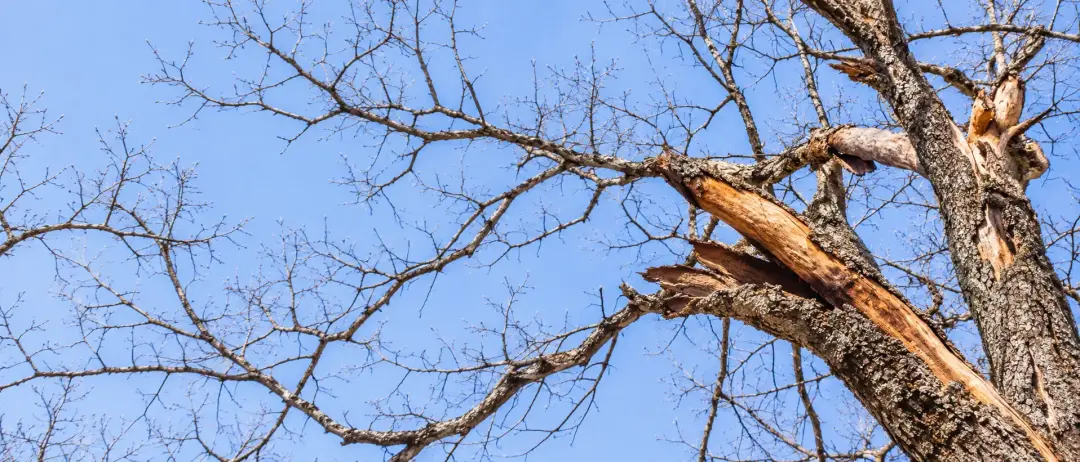
A long stub beyond the branch junction can die back and provide material for decay. A flush cut at the trunk can damage the branch collar, the specialised area associated with the tree's response around the wound. Correct placement respects the natural junction instead of making the trunk look artificially smooth. Trees manage injury through their own protective processes; they do not repair wood like human skin.
This is one reason to leave substantial pruning to a competent tree professional. The cut must account for branch anatomy and safe control of the material being removed. Wound paint is not a general solution for poor technique, and should not be applied as a routine cosmetic finish. If previous cutting has left large stubs or damaged junctions, seek an assessment rather than trying to improve their appearance with additional unspecific cuts.
Mistake five: removing all inner growth
Stripping smaller branches from the interior while leaving foliage concentrated at the tips produces an uneven crown sometimes called lion-tailing. It changes how branches carry their weight and removes useful foliage without necessarily solving the original problem. Similarly, taking branches from only one side to satisfy a boundary line can leave a poorly considered result when the whole tree is not assessed.
Describe the clearance requirement and allow the arborist to consider crown balance, species response and the remaining structure. Some selective thinning may be appropriate, but it is not a universal treatment for shade or stability. A tree health inspection can clarify whether poor growth reflects a pruning issue, root-zone stress or disease before further foliage is removed.
Mistake six: forgetting safety and aftercare
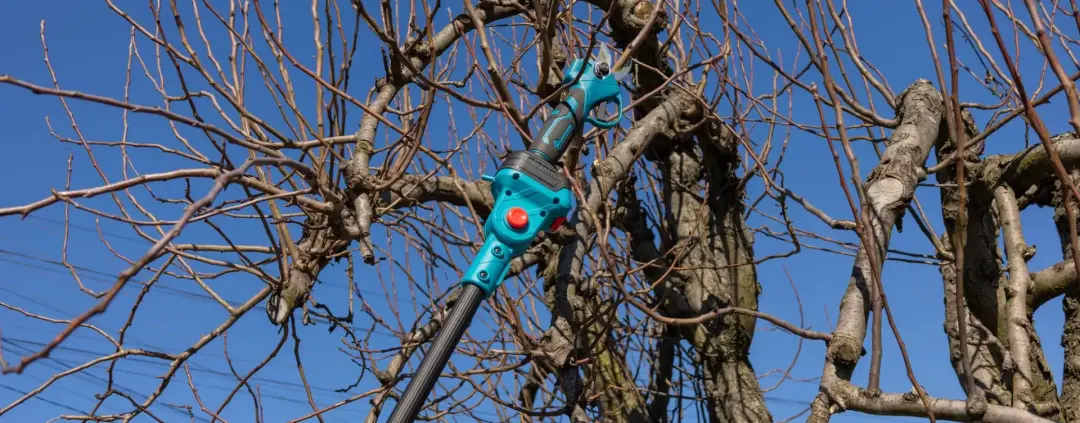
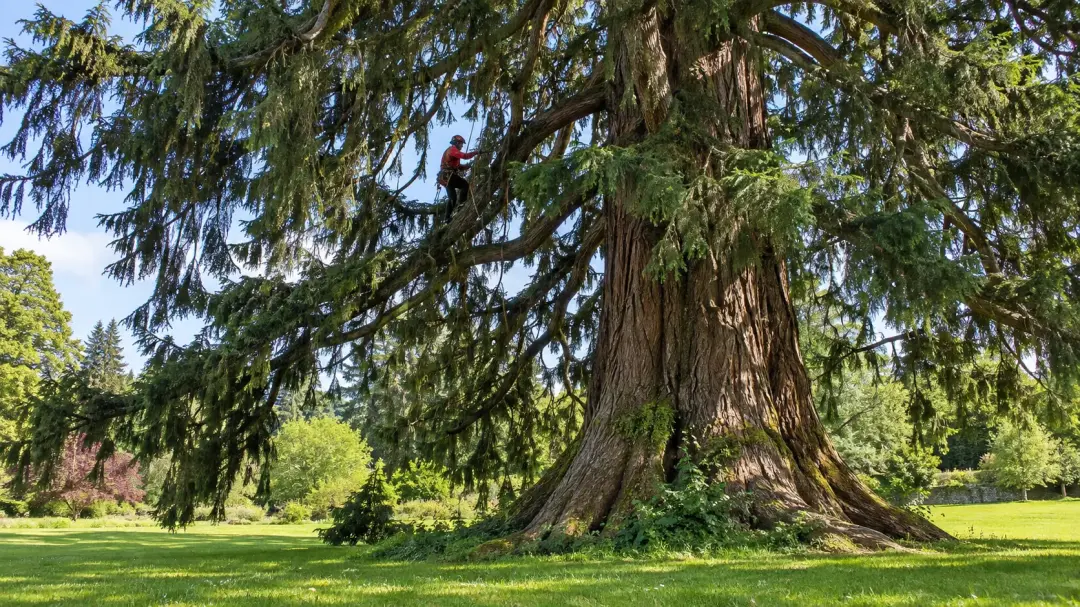
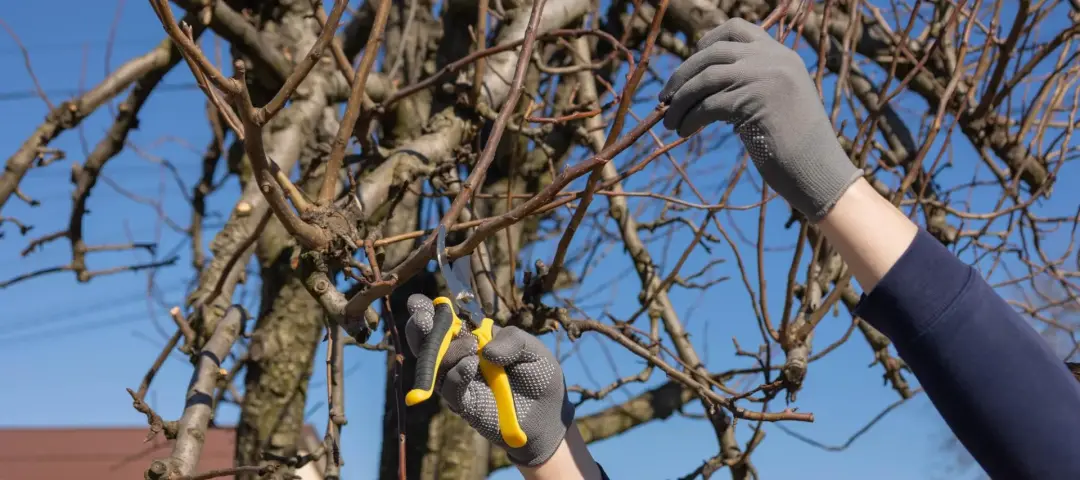
Working from a ladder with cutting equipment, handling a heavy limb or approaching overhead cables creates hazards that a pruning guide cannot resolve. Even a modest tree can place the operator in a difficult position. Keep DIY work within genuinely manageable ground-level tasks and use an appropriately equipped professional for height, heavy branches or complex surroundings. Do not copy a professional technique without the associated training and controls.
After professional work, retain the specification and photographs so future management starts from an accurate history. Watch for unusual dieback, damaged retained branches or a particularly vigorous response that may need advice. Resist the temptation to repeat the same heavy treatment each year simply because the tree has regrown. Good maintenance follows the tree's response and the original objective, with additional work justified rather than automatic.
Sources and further reading
Research checked on 5 November 2026. Figures retain their stated reporting periods and geographic scope.
Summary and next steps
Avoiding pruning mistakes starts before the saw is used: define the result, check the tree's condition and choose an appropriate method. Ask Wood Lane Treeworks about pruning suited to your tree and the space it occupies.