Pruning for healthy tree growth means selecting cuts that support a suitable structure while retaining enough foliage for the tree to function. It is a targeted intervention, not a requirement to cut every tree regularly. In Gloucester, professional advice can help distinguish a useful adjustment from work that would add wounds without providing a clear benefit.
A living crown is a resource to manage
Leaves capture the energy that supports roots, growth and the tree's responses to stress. Professional pruning considers how much functioning crown will remain and how the tree is likely to respond. The aim is not the greatest possible amount of new growth: a dense flush of replacement shoots after severe cutting can be a stress response and a future management burden.
The wider importance of tree cover is reflected in Forest Research's Forestry Statistics 2026, published on 29 October, which estimates UK woodland at 3.30 million hectares as at 31 March 2026. That national woodland figure does not measure garden pruning benefits. It provides context for managing existing trees thoughtfully: retaining a useful canopy where practicable complements planting, while individual work still needs to be justified by the tree's needs.
Practical points
- Retain sufficient living crown for the tree.
- Use formative work to guide young structure.
- Match follow-up care to observed regrowth.
Young-tree training can shape future structure
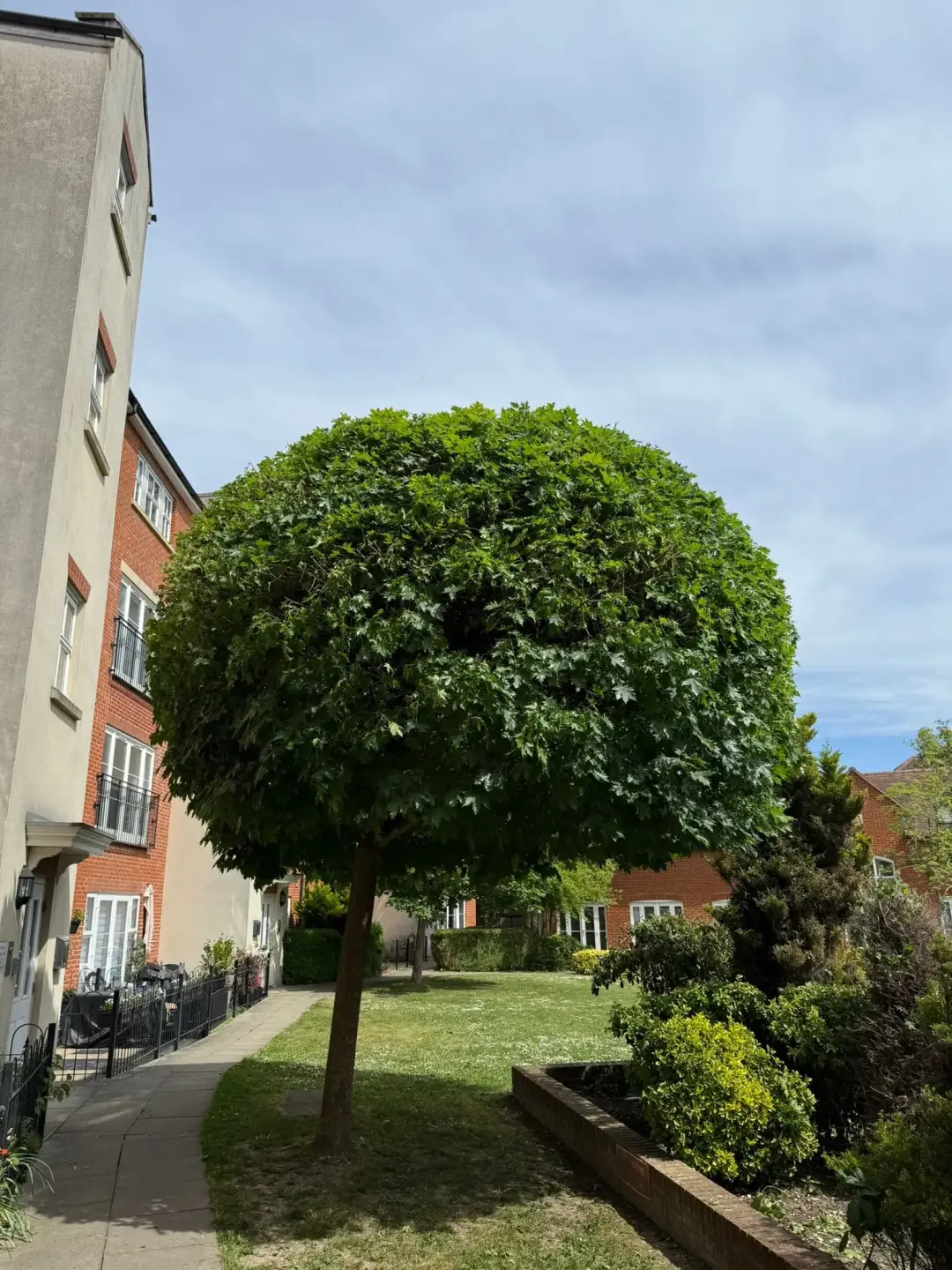
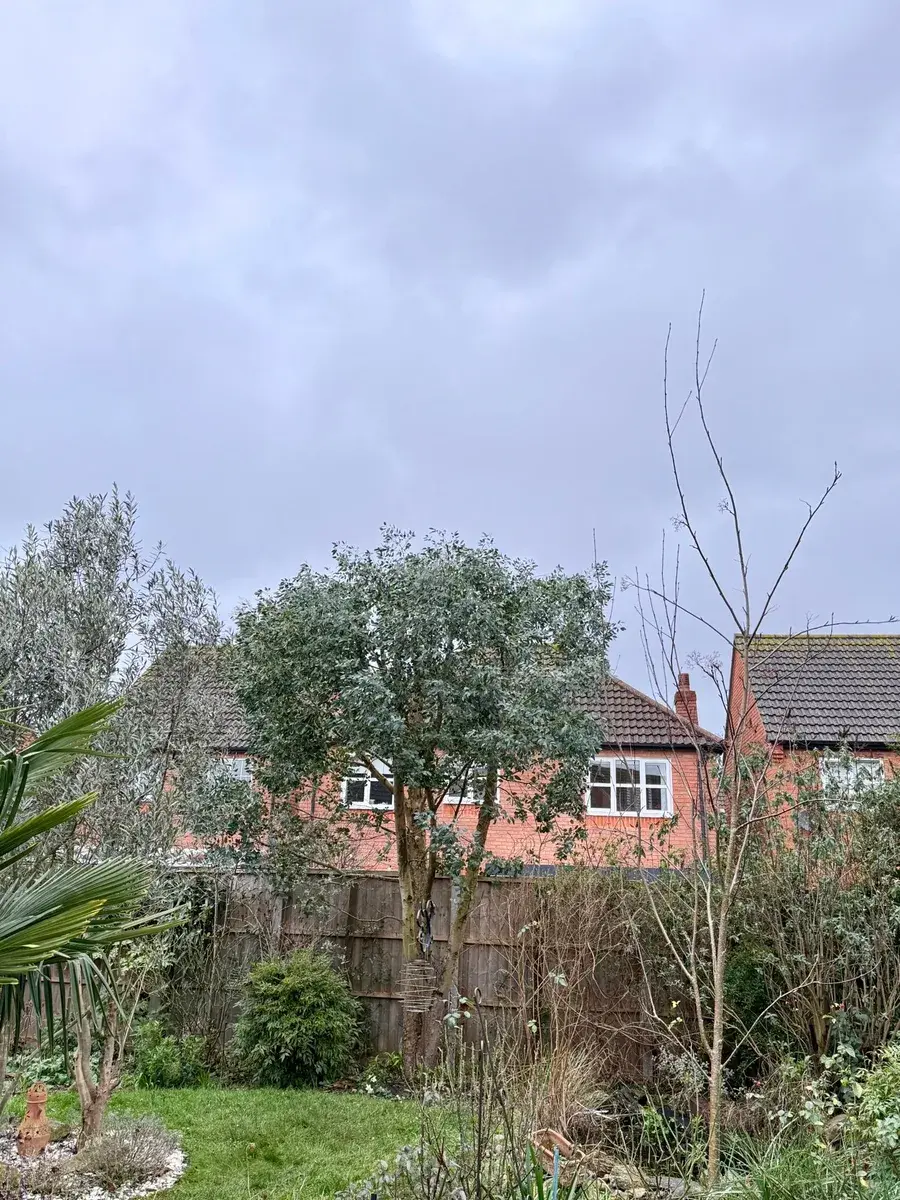
A young tree offers opportunities to guide a framework while branches are relatively small. Formative pruning may address competing leaders, poorly positioned growth or developing conflicts before they involve large limbs. The appropriate structure depends on species and the intended setting; a broad, multi-stemmed ornamental tree should not automatically be treated like a tree expected to develop a single main stem.
This is a gradual process. Removing too much early can slow establishment, while ignoring every developing conflict can make later intervention more extensive. Ask which branches should remain as the long-term framework and which, if any, need staged attention. Temporary lower branches may have a useful role during development. A professional plan explains the sequence instead of trying to create a mature-looking clear trunk in one visit.
Looking to support healthy tree growth?
Wood Lane Treeworks offers tree pruning services throughout these local areas:
Selective work resolves specific crown conflicts
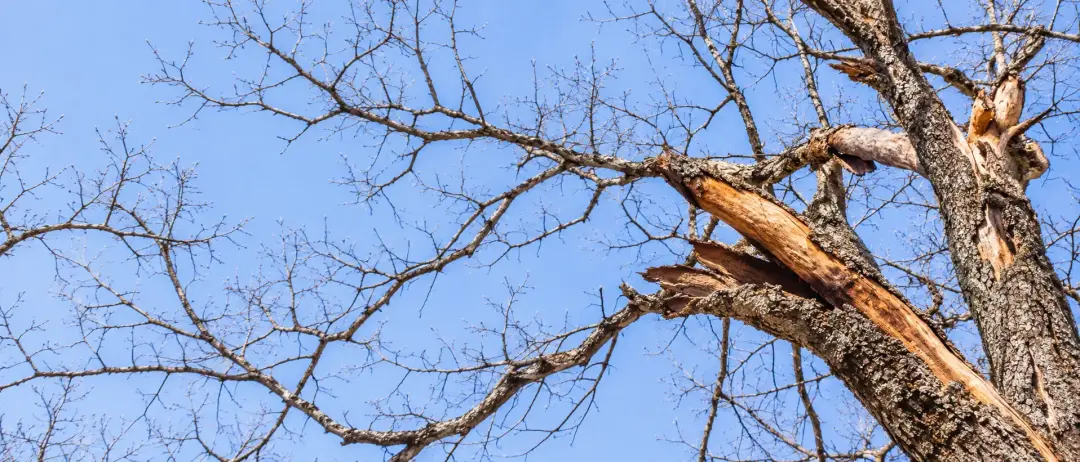
Branches rubbing together can damage bark, while congested growth may create local interference. Carefully chosen removal can address the conflict without taking an equal amount from every part of the canopy. Dead or broken material can be managed separately from living branches, allowing the specification to distinguish safety work from changes to form or clearance. Each cut should serve an identifiable objective.
A crown reduction, crown lift and crown thinning are not interchangeable ways of making a tree healthier. Reduction adjusts the outer dimensions, lifting creates clearance beneath, and thinning selectively removes branches within the crown. Whether any is appropriate depends on species, condition and purpose. Discuss the actual obstruction or defect with the professional tree pruning service so the proposed operation matches the problem.
Small, well-placed cuts respect tree biology
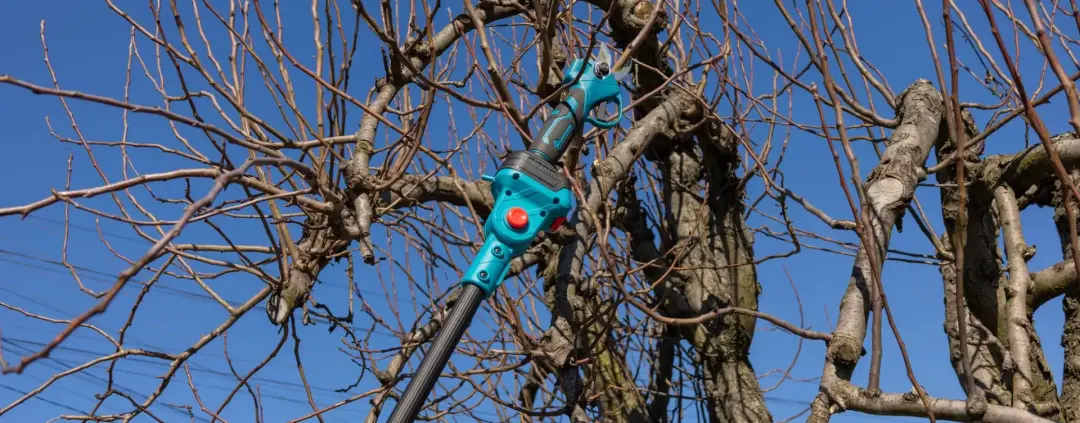
Where work is justified, smaller wounds are generally easier for a tree to manage than unnecessary large ones. The position of a cut matters as much as its size: respecting branch junctions helps preserve the tissues involved in the tree's protective response. Removing a branch does not restore it later; the remaining tree must grow around and compartmentalise the injury over time.
Competent work therefore includes restraint. Some proposed cuts may offer too little benefit for the injury they create, especially in an ageing or declining tree. The arborist should consider existing wounds, likely regrowth and the effect on retained branches before proceeding. A neat appearance is not the sole measure of success. The useful outcome is a tree with a suitable remaining structure and a proportionate amount of disturbance.
Healthy roots remain part of healthy growth
Pruning cannot compensate for every problem around a tree. Restricted rooting space, poor drainage, compacted ground or damage from excavation can continue to limit vitality even after the crown looks tidier. If leaf size or shoot growth has declined, the cause needs investigating rather than assuming that opening the canopy will fix it. Sometimes the most helpful recommendation involves protecting the ground instead of removing more foliage.
Consider how ongoing garden use affects roots: parking, material storage, repeated digging and changed soil levels can all matter. Tell the assessor about landscaping plans before they begin. Any remedial root-zone treatment should be chosen carefully because excavation and careless cultivation can add injury. Keeping the crown and root environment in the same management plan gives the tree a better basis for sustained growth than treating them as unrelated parts.
Judge the result over time
Immediately after pruning, you can see the altered outline and whether the specified clearance has been achieved. The biological response takes longer. Subsequent leaf development, shoot distribution and the condition of retained branches help show whether future management is required. A tree producing numerous upright shoots may need a different next step from one with modest, well-distributed extension growth. Neither response should be judged from appearance alone.
Keep the written specification and take photographs when the tree is in leaf again. Ask what level of regrowth is expected and what changes warrant advice. There is no benefit in booking an automatic heavy cut simply because a calendar year has passed. Professional pruning supports future growth best when it forms part of a measured plan, with repeat work based on the tree's response and a continuing practical objective.
Sources and further reading
Research checked on 5 November 2026. Figures retain their stated reporting periods and geographic scope.
Summary and next steps
Useful pruning supports a defined outcome while respecting the tree's remaining canopy, structure and roots. Discuss your objectives with Wood Lane Treeworks to consider an approach that supports healthy development without unnecessary cutting.