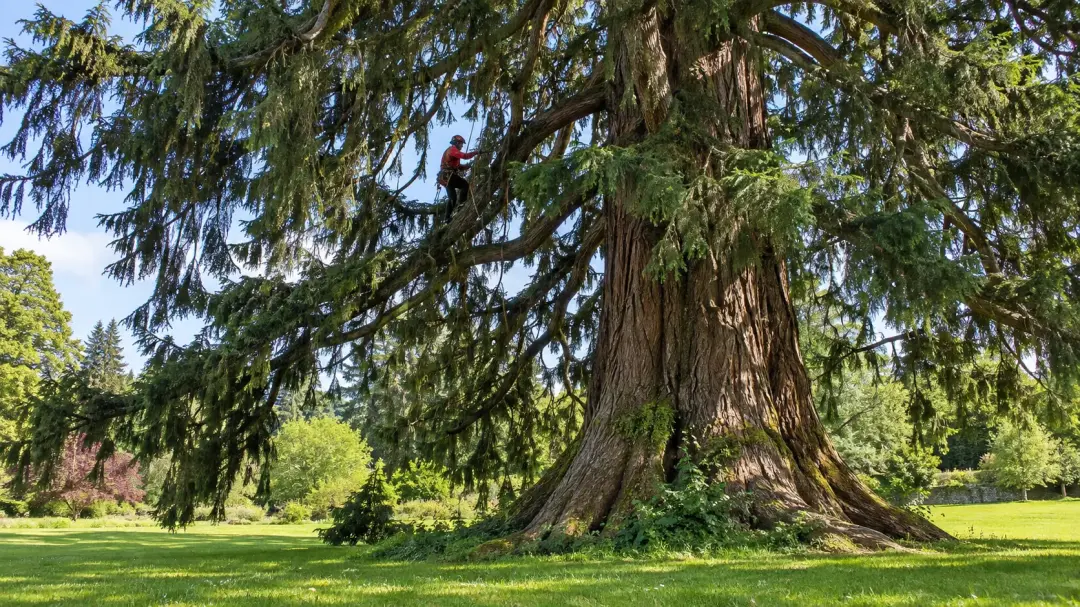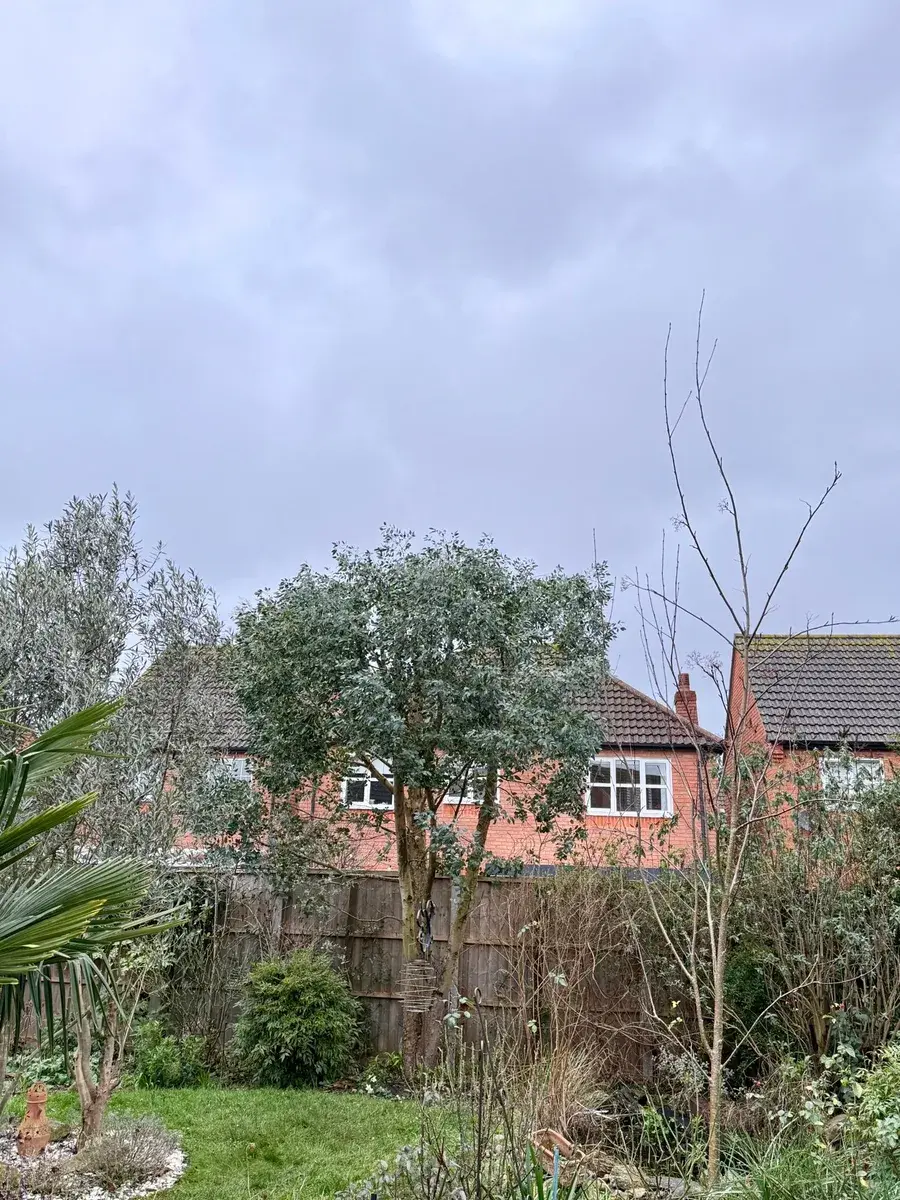
Regular tree health checks can reveal gradual changes that are easy to miss in a single visit, from thinning foliage to altered ground conditions. Early detection can preserve management options, although it cannot prevent every disease or failure. For property owners in Gloucester, the aim is a repeatable record and timely action when the evidence changes.
A baseline makes small changes visible
A first inspection establishes what the tree looks like, what existing features need watching and which parts could not be assessed. Later observations can then focus on change. Without that reference, a cavity may seem newly alarming even though it has been stable for years, while a gradual reduction in leaf size can go unnoticed because it develops a little at a time.
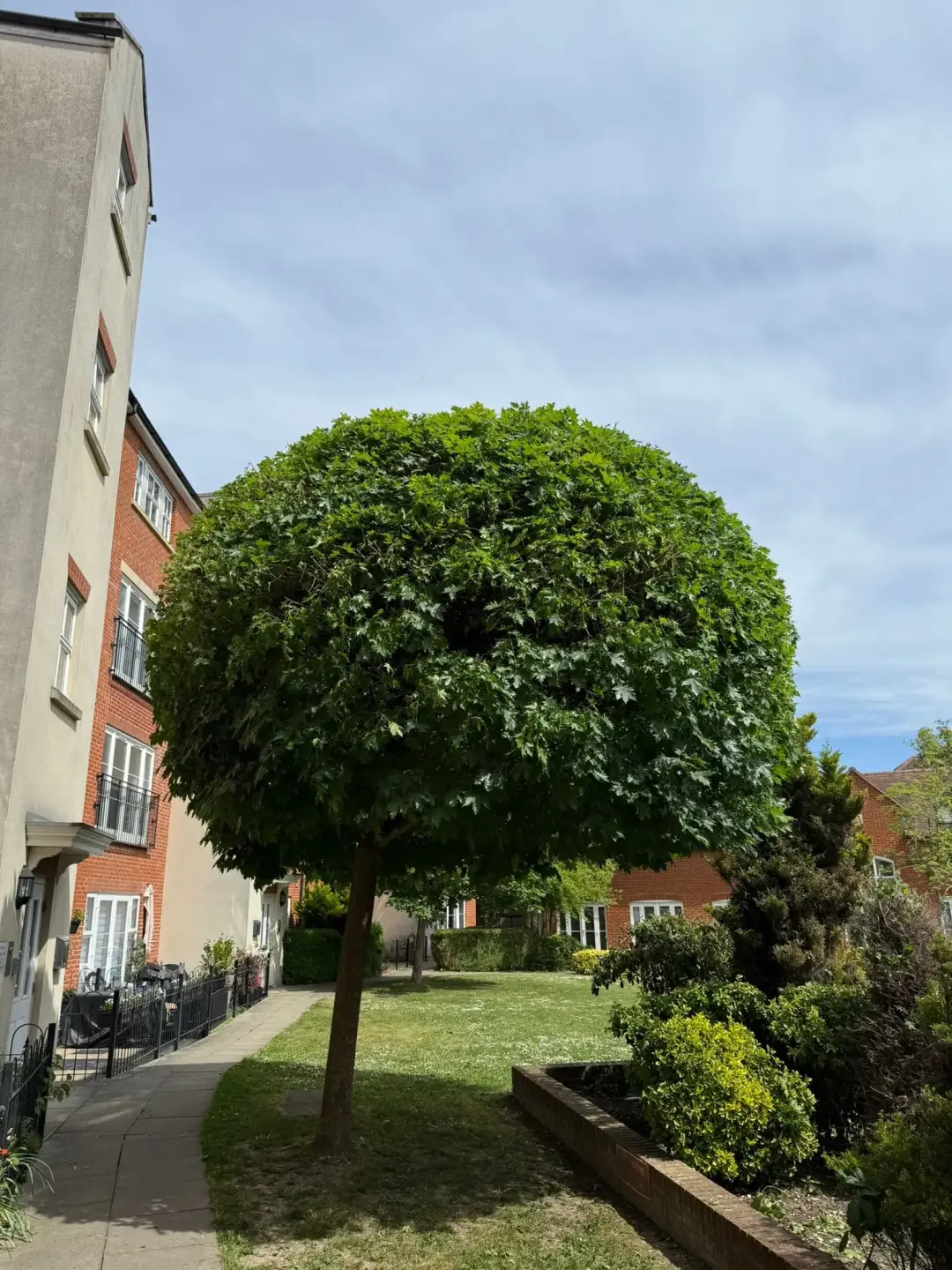
Build the baseline around useful details rather than a large collection of unrelated photographs. Record the tree's location, species if known, the date and views showing the whole crown and base. Keep any professional findings alongside the images. This lets future observations answer a concrete question: has the feature altered, has its setting changed, and does the original management advice still fit?
Repeated observation is used in real surveillance
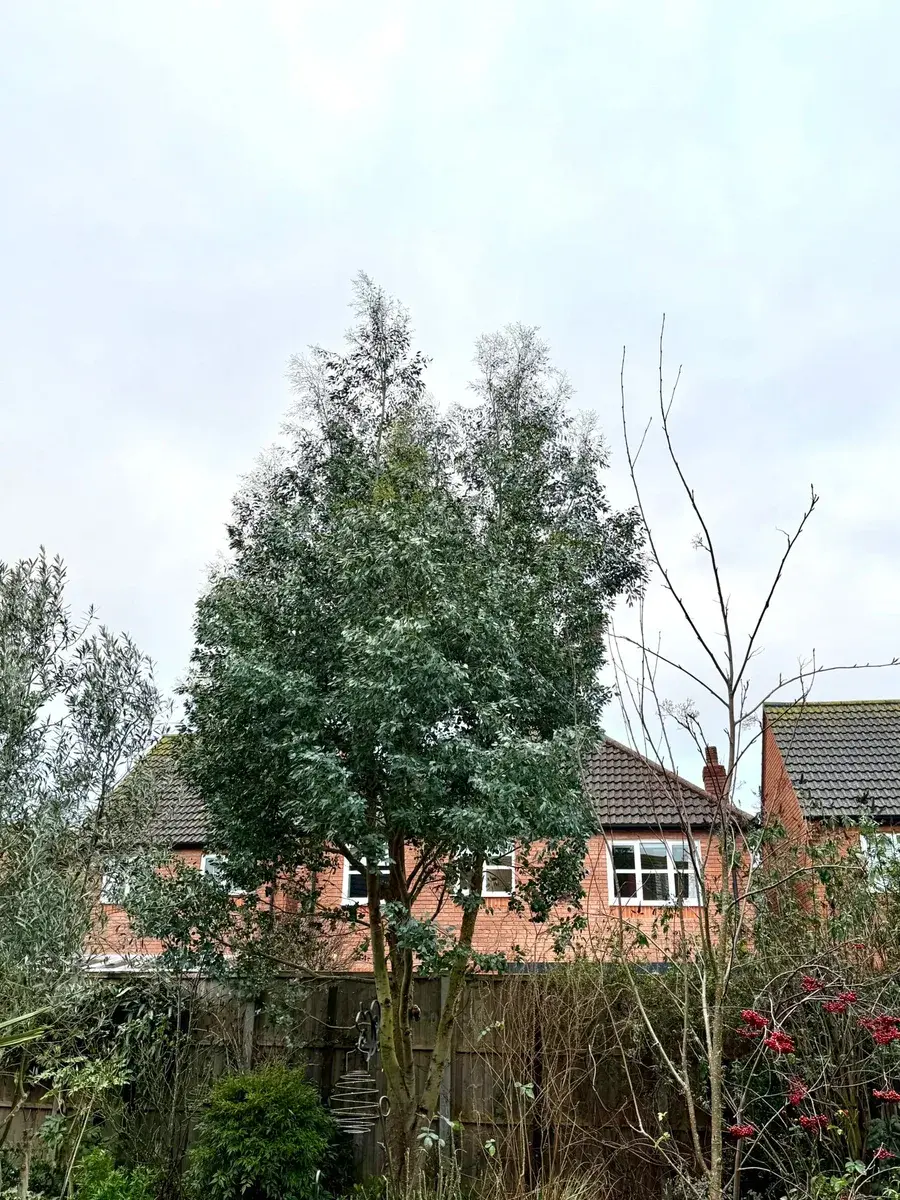
Observatree's January 2026 project review describes 2,295 reports on 649 sentinel trees during 2025. These are trees routinely checked by trained volunteers. The figures describe a national surveillance activity, not a recommended inspection schedule for domestic trees, but they demonstrate how repeated records can support understanding of tree health over time. A one-off photograph provides much less context.
Your own routine can use the same principle at a simpler level: compare like with like and record an actual observation. Note a recurring bare area, a changing wound or the appearance of fungi at a particular time. If a problem is suspected, seek a professional interpretation rather than trying to turn a monitoring record into a diagnosis. The information becomes useful when it supports a clear management decision.
Want to keep track of your trees’ health?
Wood Lane Treeworks provides tree health checks across the following towns and surrounding communities:
Practical points
- Keep comparable photographs with inspection dates.
- Review sooner after significant site changes.
- Record who will complete each recommendation.
Early action can address the growing conditions
Some decline begins below ground. Compacted soil, drainage changes and damage from construction can affect roots before the crown shows obvious symptoms. Regular checks create opportunities to identify those changes and stop additional pressure. Moving stored materials or preventing further vehicle access may be more relevant than cutting branches, depending on what the inspection finds. Root-zone work itself should be planned to avoid further injury.
Improving conditions does not guarantee recovery, particularly where substantial damage or disease is already present. It can, however, address an avoidable source of stress while the tree still has useful vitality. Keep a record of what changed and when, then assess the response over an appropriate period. Avoid adding fertiliser as a default remedy; poor nutrient uptake can be a consequence of root conditions rather than a shortage in the soil.
Plan checks around the tree and its use
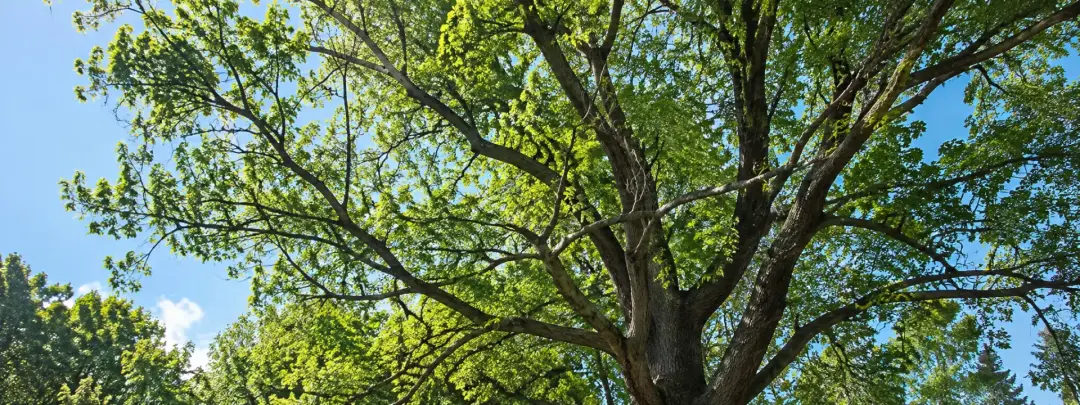
The right frequency depends on species, age, condition, previous findings and what surrounds the tree. A documented defect over a busy access route may require a different approach from a sound young tree in an infrequently used area. An arborist can recommend a proportionate review interval and explain which observations should bring the next visit forward. An annual date alone is not a complete monitoring plan.
Seasonal views can answer different questions. Leaves help show crown vitality, while the bare canopy can make branch structure easier to see. The aim is not to inspect every feature every week, but to gather relevant evidence when it is visible. Ask whether the next planned check should be timed for a particular symptom, rather than automatically repeating the visit in a season when that symptom cannot be assessed.
Use event-triggered checks between planned visits
A scheduled inspection should not mean ignoring a major change until the next date. Significant storms, excavation near roots, vehicle impact or sudden movement can justify fresh advice. Stand back and look for obvious changes from a safe location; do not approach a damaged tree to complete a checklist. Where access beneath it is unsafe, keeping people clear takes priority over obtaining detailed photographs.
Describe what happened and how the tree differs from its previous state. Earlier records can help an assessor judge whether a crack is new or whether a lean has increased. If planned work nearby will alter soil levels or access, seek advice beforehand where possible. Preventing avoidable damage is more effective than discovering the effects later during a routine visit.
Turn an observation into a completed action
A monitoring record only helps if someone is responsible for responding. Keep recommendations, target dates and records of completed work together. For a shared property or managed site, identify who receives reports and who arranges follow-up. If advice is unclear, ask what should happen next rather than leaving an unresolved note in a file. Where selective deadwood work is advised, it should be specified and recorded like any other intervention.
The purpose of ongoing tree health checks is to support decisions while choices remain. They may confirm that no work is currently needed, identify a modest intervention or show that deterioration has changed the balance towards removal. Neither an inspection nor early detection guarantees a cure, but a clear cycle of observation, assessment and follow-through reduces reliance on memory and last-minute judgement.
Sources and further reading
Research checked on 5 November 2026. Figures retain their stated reporting periods and geographic scope.
Summary and next steps
An effective checking routine links a baseline to future observations and completed recommendations. Ask Wood Lane Treeworks about a health check to establish what matters for your tree and how changes should be followed up.