Tree health warning signs include unusual leaf loss, progressive dieback, damaged bark and changes around the roots. Their significance depends on the species, season and speed of change. A simple observation routine can help you spot a problem in Gloucester, but a leafy crown cannot confirm structural safety and a photograph cannot replace an inspection.
Start with what is normal for that species
Identify the tree if possible and compare its appearance with its own previous seasons. Different species open their leaves at different times, retain them for different periods and naturally show different crown densities. Ash, for example, may leaf later than nearby trees. Forest Research cautions that a bare ash in April or May is not necessarily diseased; healthy ash should be fully in leaf by mid-June.
The most useful signal is often a departure from the tree's normal pattern: smaller leaves across the crown, repeated early leaf fall, or sections that remain bare while the rest develops normally. Record when the change appeared and whether similar nearby trees are affected. This helps an assessor distinguish a tree-specific problem from a response to weather. Do not diagnose death solely from a winter silhouette or one late spring.
Read the pattern of leaf damage
Look for the distribution as well as the colour. Browning concentrated on exposed leaf edges may suggest a different cause from spotting across the whole crown, or yellowing confined to one branch. Chewed leaves, curled shoots and sticky deposits can indicate insect activity, but not every insect causes serious damage. Some visible blemishes mainly affect appearance, whereas recurring defoliation may reduce vitality over time.
Avoid choosing a spray or fertiliser simply because leaves look poor. Water stress, root problems, nutrient uptake difficulties and disease can produce overlapping symptoms. Note recent dry spells, prolonged standing water or changes to paving near the tree. Photographs of the whole crown and a clear close-up taken safely can support identification. A description of the pattern usually tells an assessor more than a statement that the tree looks unhappy.
Concerned about the condition of your tree?
Tree health checks from Wood Lane Treeworks are available to property owners in these local areas:
Practical points
- Compare the tree with its earlier appearance.
- Record leaf, bark and ground changes.
- Treat sudden movement as an urgent concern.
Watch for progressive loss of branches
Fine dead twigs at the tips, an expanding bare area and repeated death of larger branches deserve attention, particularly when they develop over successive growing seasons. Trees sometimes shed shaded lower branches naturally, so location and progression matter. An arborist will consider whether the pattern fits competition, age, root stress, infection or another cause before recommending treatment.
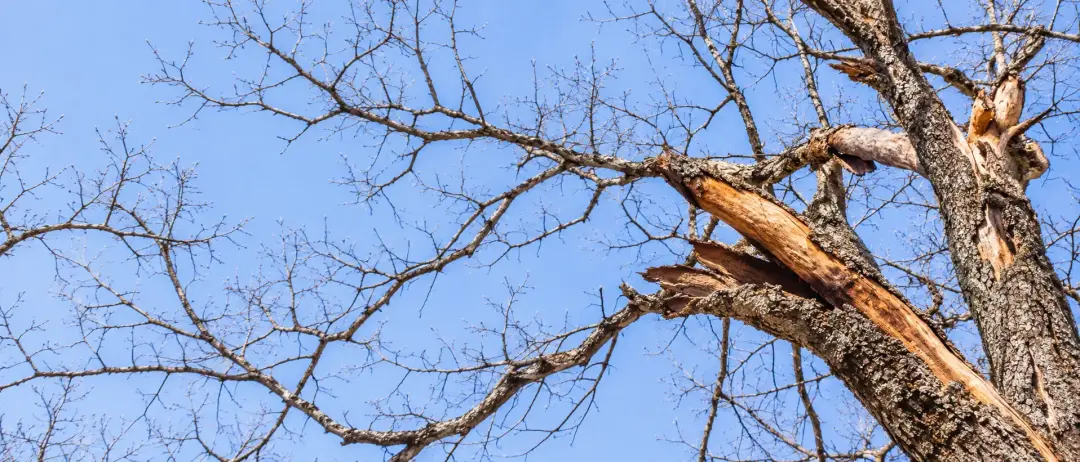
Do not stand under a suspect limb to get a better photograph. A suspended branch, fresh major split or newly moving tree calls for prompt safety advice rather than routine monitoring. Less dramatic decline may justify a planned assessment with a record of earlier changes. The aim is to understand the process while useful management choices remain, rather than waiting until a failing part forces an urgent decision.
Bark symptoms need context
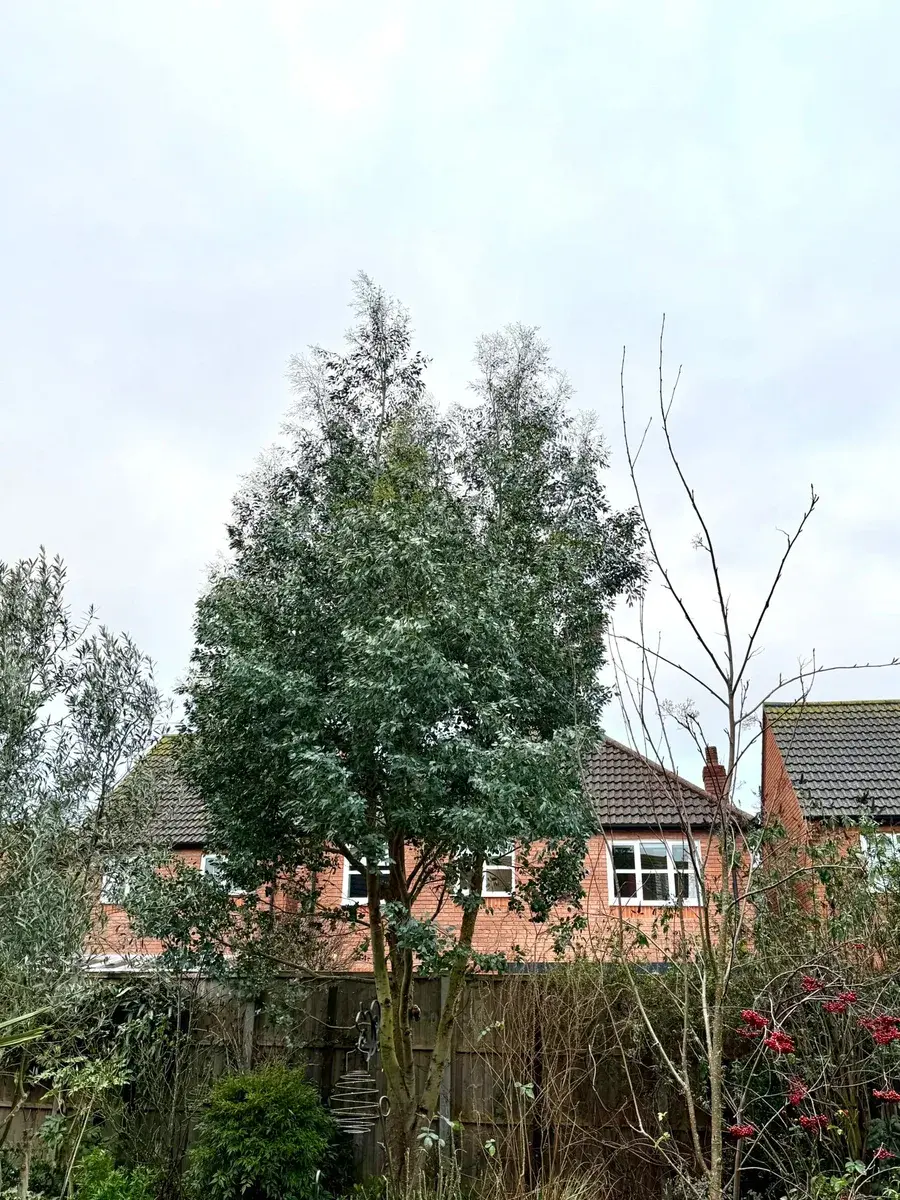
Loose bark, sunken patches, fresh wounds, unusual bleeding and fungal growth can all provide clues. Yet rough bark, flaking bark and lichen can be normal characteristics rather than signs of disease. The species, the appearance of the tissue around the symptom and its position on the trunk help distinguish ordinary features from potentially significant damage. Avoid removing bark to see what lies underneath.
Tree-health threats are changing. The Woodland Trust's 2025 assessment reported two additional serious pest introductions since its 2021 report, which had identified 19 since 1990. Those national findings support careful observation; they do not establish the cause of a mark on your tree. Keep unusual findings intact for identification and seek advice before moving affected material, scraping a lesion or attempting a treatment that might hide useful diagnostic evidence.
Check the ground without disturbing it
The root zone often explains a crown problem. New vehicle parking, stored materials, trenching, raised soil levels or repeated foot traffic can alter conditions around roots. Persistent waterlogging reduces the air available in the soil, while dry conditions can limit water uptake. Symptoms may appear in the crown after the original event, so changes made months earlier are worth mentioning.
From outside any hazardous area, look for soil movement, recent excavation and damage near the trunk base. Do not expose roots with a spade or cut surface roots to tidy the lawn. Note whether water sits around the tree after rain and whether the trunk disappears into a deep layer of soil or mulch. These observations are useful context for professional tree health checks, which assess more than leaves alone.
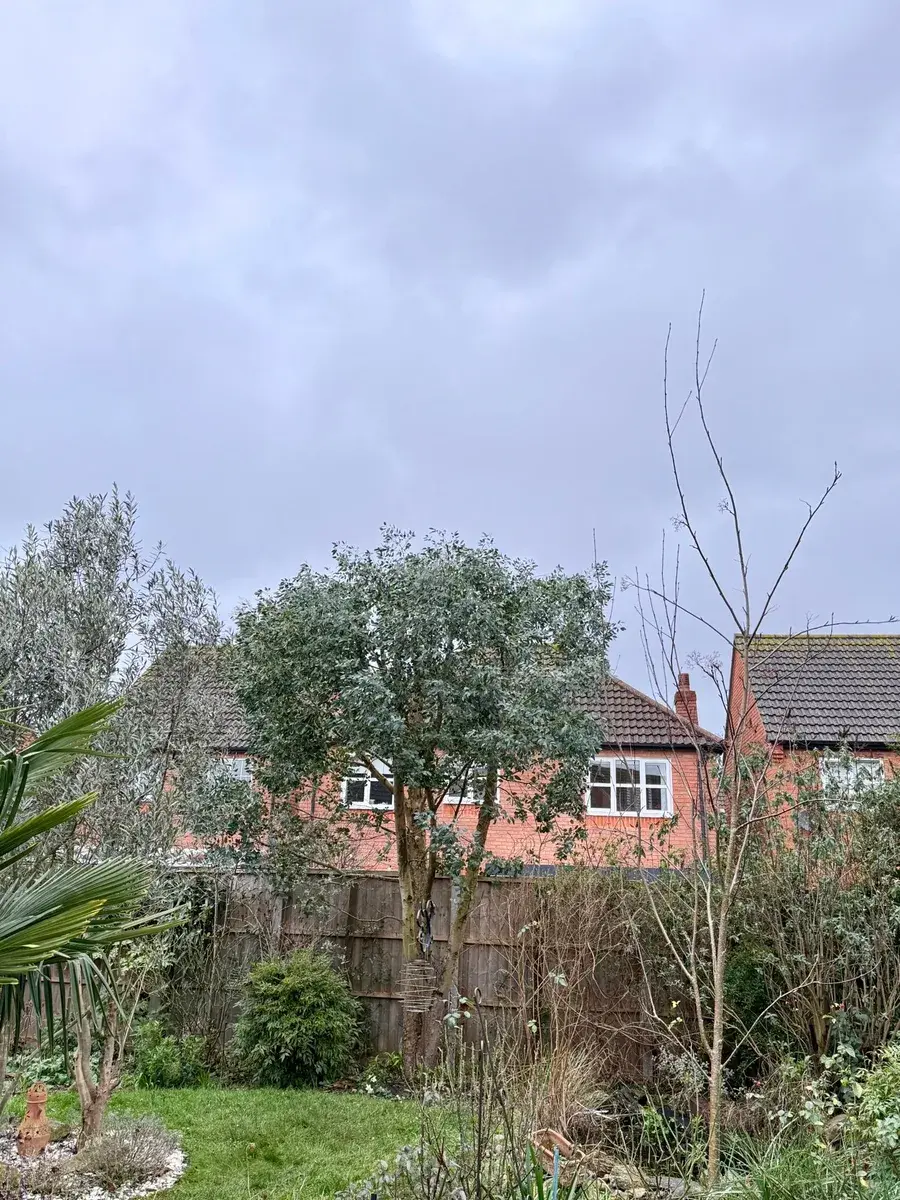
Build a useful record and choose the response
Take repeat photographs from the same safe viewpoint and include a date. Describe the affected side, the approximate extent and any event that preceded the change. A brief record of building work, altered drainage, storm damage or unusual weather can prevent important details being lost. If fungi appear, photograph their position as well as their shape; a close-up without context may be difficult to interpret.
Arrange an assessment when symptoms persist, spread or involve substantial branches, the stem or anchorage. Ask whether any suspicious pest finding should also be reported through TreeAlert. Sudden movement or major breakage warrants immediate advice and keeping clear. For slower changes, a planned inspection can distinguish cosmetic symptoms, treatable stress and structural concerns, then set a proportionate next step instead of treating every imperfection as a reason to cut.
Sources and further reading
Research checked on 5 November 2026. Figures retain their stated reporting periods and geographic scope.
Summary and next steps
A useful tree-health check begins with noticing a change and recording its pattern. If you have spotted persistent symptoms or unexplained deterioration, ask Wood Lane Treeworks about an inspection to help determine what the tree needs.