Deciding between tree removal or preservation starts with a clear problem: what harm or conflict needs resolving, and can the tree remain while that problem is managed? Condition, location, habitat value and future maintenance all belong in the decision. For a tree in Gloucester, size or age alone is a poor reason to choose felling.
Describe the problem before choosing a treatment
Write down what has prompted concern. A branch interfering with a building, a tree obstructing a proposed extension and a main stem with serious decay are different starting points. Explain what you need to achieve in practical terms: clearance, safe access, improved light or an assessment of stability. The answer should respond to that objective rather than defaulting to either complete retention or complete removal.
Separate observations from assumptions. A large root near a drain does not prove it broke the drain; a dark room does not show that the whole tree must go. Ask what evidence would change the recommendation and whether further investigation would be useful. An arborist's role includes identifying limitations: if the root system or upper crown could not be examined adequately, that uncertainty should be visible in the decision.
Practical points
- Define the problem in practical terms.
- Consider viable retention measures and future care.
- Choose replacement planting for the actual space.
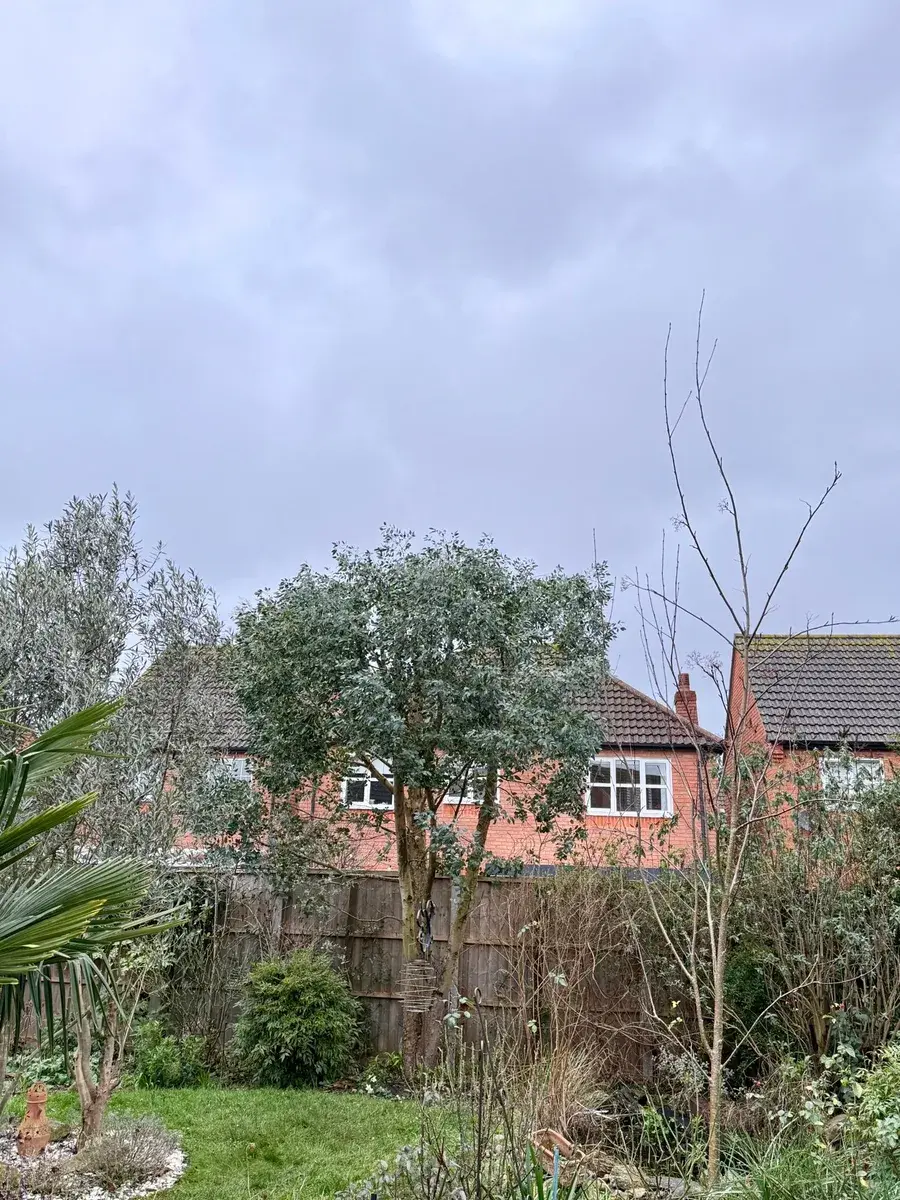
Weigh condition against the surrounding use
Tree condition and risk are connected, but they are not interchangeable. A damaged part over a frequently used pavement presents different consequences from the same defect in a rarely accessed area. Consider what could fail, where it could land and how often people or property occupy that space. This makes the decision more useful than simply labelling a tree healthy or unhealthy.
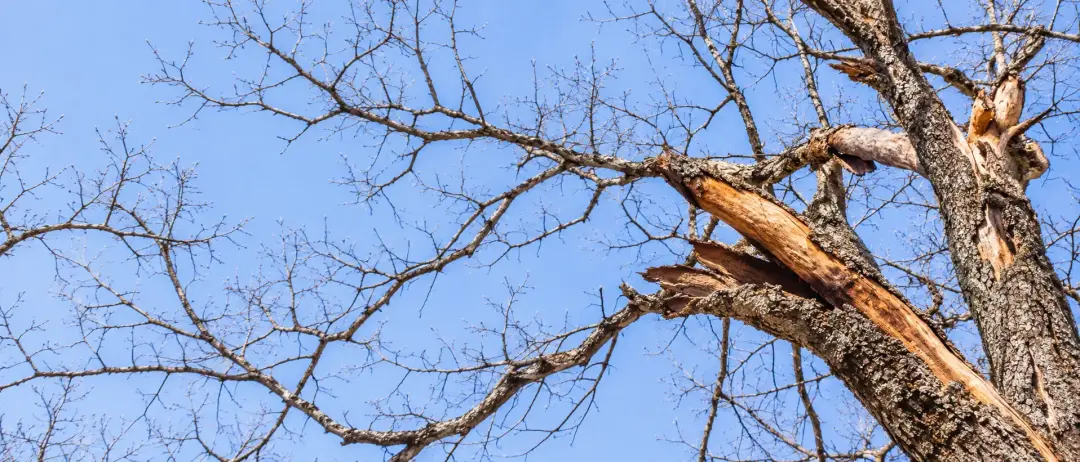
Some mature trees contain cavities and deadwood while continuing to provide valuable habitat. Others appear leafy yet have significant structural defects. Inspection can identify whether a problem is localised or affects the tree's essential support. In some settings, moving a seat, diverting a path or restricting access may be part of a retention plan. These options need to be practical and maintained; an instruction nobody can follow is not effective management.
Weighing up removal and preservation?
Wood Lane Treeworks offers tree surgery services for properties in the following areas:
Put habitat and canopy benefits on the page
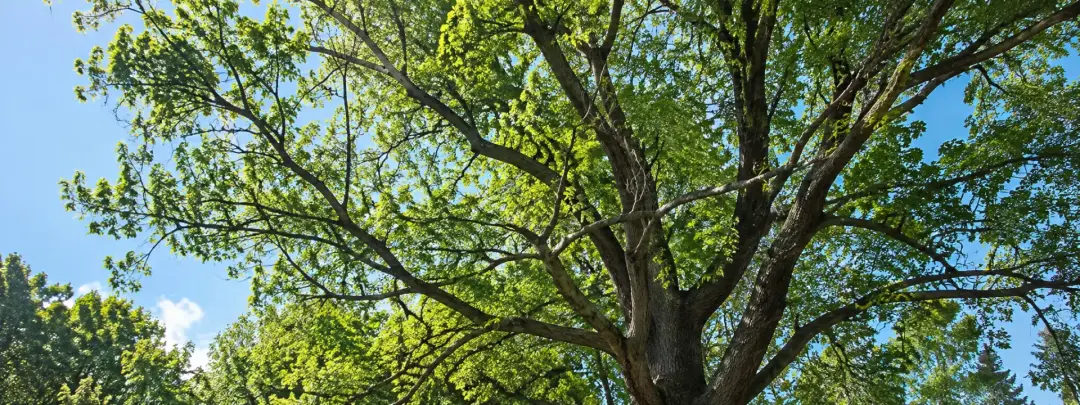
Retained trees provide existing shade, structure and habitat that a new sapling cannot replace immediately. Their contribution varies with species, size and setting, so a replacement plan should acknowledge the time needed to establish a new canopy. Consider connected hedgerows, neighbouring trees, nesting opportunities and the character of the garden when comparing options. These benefits deserve explicit consideration alongside maintenance concerns.
The Woodland Trust's 2025 report highlights the importance of deadwood: approximately one quarter of forest species depend on it during their lifecycles. That woodland statistic does not mean every dead branch should remain above a patio. It does explain why dead material can be retained in a suitable low-risk location, such as a ground-level habitat feature, when compatible with disease controls and the site's use.
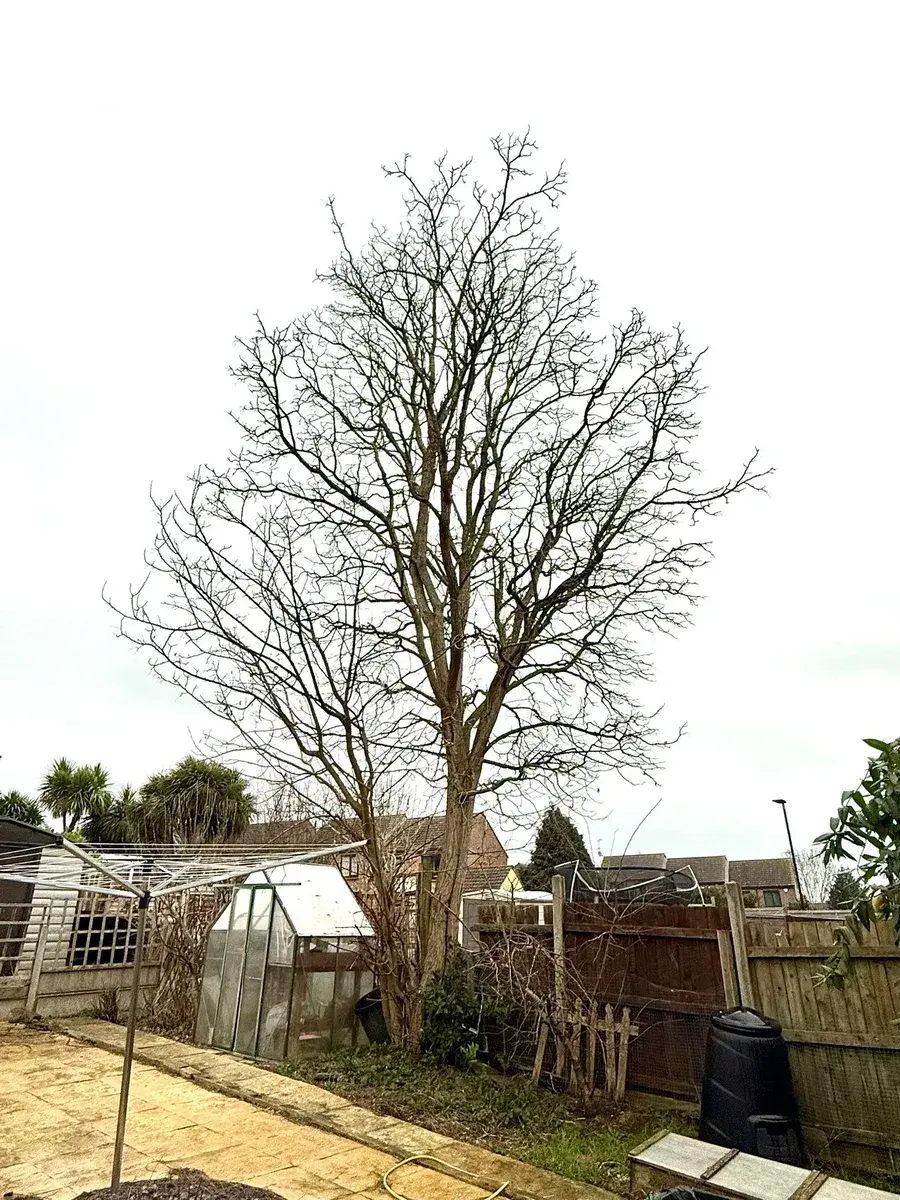
Test realistic alternatives to complete removal
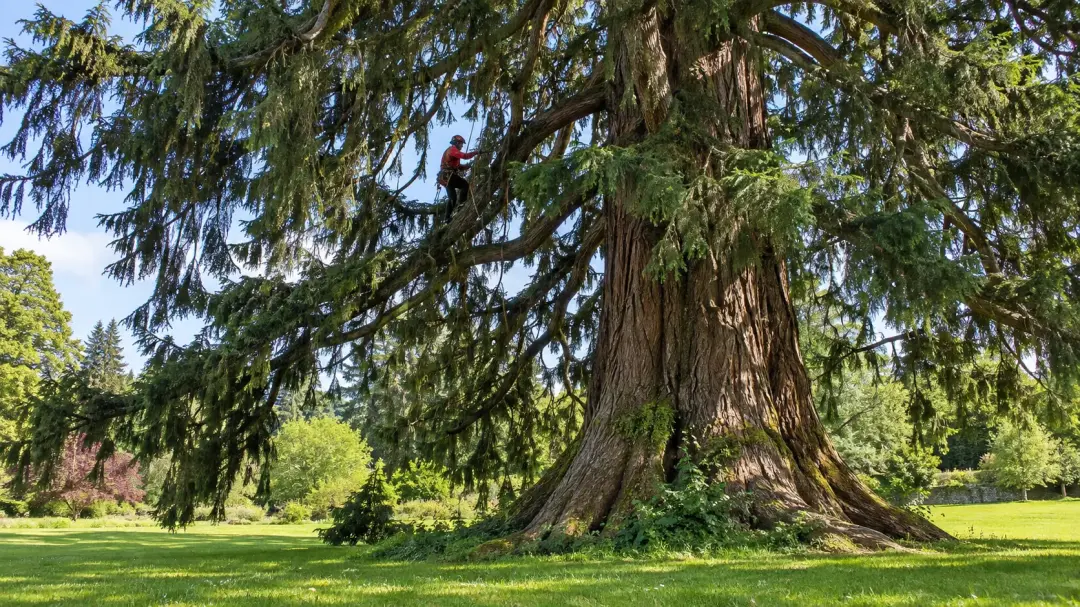
Selective pruning may resolve a specific branch conflict while preserving much of the canopy. Deadwood removal can address certain falling-branch concerns without taking down the whole tree. Improvements around the root zone may help where growing conditions are contributing to decline. Each option should have an identifiable purpose, a suitable specification and a realistic expectation of how the tree will respond.
Ask whether the proposed pruning would leave a viable, balanced tree or create a cycle of severe cutting. Repeatedly forcing a large species into a space it cannot occupy may offer little long-term benefit. A professional pruning assessment can clarify what is achievable. Where no proportionate retention measure resolves the problem, planned removal and well-chosen replacement planting may be the more responsible decision.
Compare the whole maintenance commitment
Preservation can require repeat inspection, future pruning and protection of the rooting area. Removal can involve dismantling, stump work, access arrangements and replacement planting. Compare those commitments over a useful period rather than judging only the first quotation. A retention option that depends on ongoing management should state what will be monitored and the circumstances that trigger another review.
There is no universal percentage of decay, crown loss or leaning angle that answers every case. Species, defect location and exposure matter, and a simplistic threshold can push a decision in the wrong direction. Ask for a plain-language explanation of why the recommended option fits this tree. If the consequences are substantial or opinions conflict, obtaining an independent arboricultural assessment can help separate the management decision from the execution of the work.
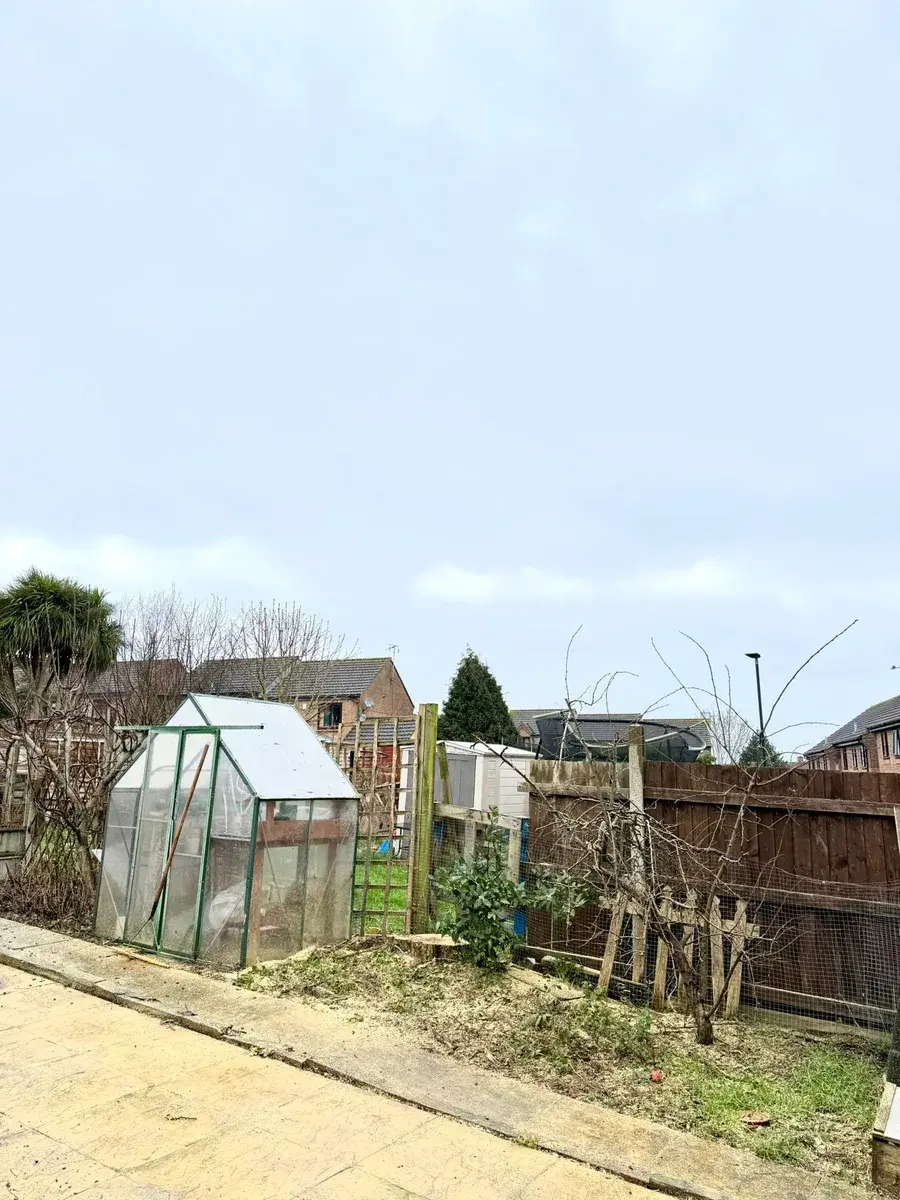
Record the decision and check constraints
Make a short record of the issue, inspection findings, options considered and chosen action. Add photographs and any written recommendations. If you retain the tree, record a review date or a trigger such as a new split, further crown decline or a change in use beneath it. If you remove it, identify what will replace its function, whether that is another tree or a different planting arrangement.
Check ownership, Tree Preservation Orders, conservation-area controls and wildlife requirements before work. Gloucester City Council explains the local protection process, and unusual or urgent situations need appropriate advice rather than assumptions about exemptions. Protection does not prove that retention is always possible, just as ownership does not remove every constraint. A defensible decision combines the tree's condition, the site's needs and the required permissions in one clear plan.
Sources and further reading
Research checked on 5 November 2026. Figures retain their stated reporting periods and geographic scope.
Summary and next steps
Preservation is worthwhile when it meets the site's needs with a workable management plan. Where removal is justified after the alternatives have been considered, explore Wood Lane Treeworks's service and discuss the next steps for your tree.