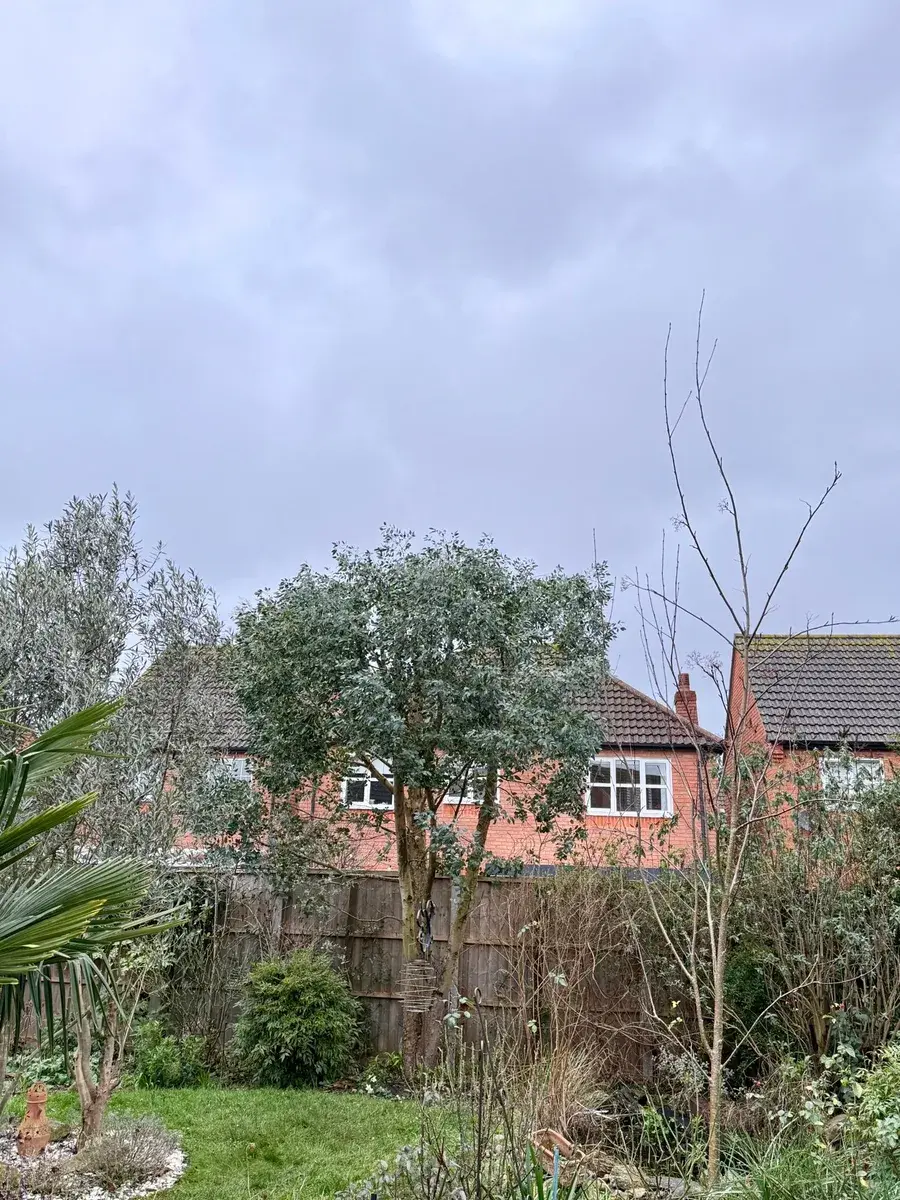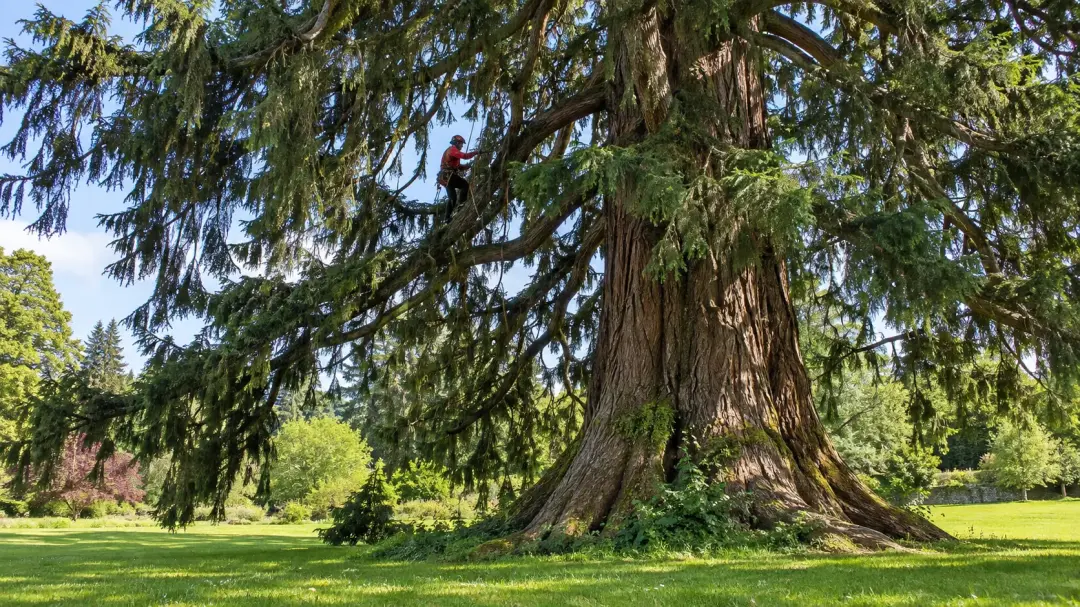
A professional tree health check examines the tree's condition, its surroundings and relevant history, then explains findings and suitable next steps. It usually begins with a visual inspection; specialist tests are added only when justified. Before booking in Gloucester, clarify whether you need practical care advice, a written risk assessment or a report for another purpose.
Agree what the inspection needs to answer
A check for unexplained leaf loss is different from a survey for a planning application or a detailed assessment following a major branch failure. Describe your concern and how the findings will be used. If a landlord, insurer, solicitor or planning authority needs a report, provide their requirements in advance so the inspector can confirm whether the proposed service meets them.
Ask what the visit includes, what form of record you will receive and whether additional testing would require separate agreement. A verbal conversation can be useful for routine advice, but it may not supply the evidence another organisation expects. Establish which trees are included and whether access to neighbouring land is needed. These details allow the assessor to choose a suitable inspection scope and explain its limitations before the appointment.
Your history provides clues the tree cannot
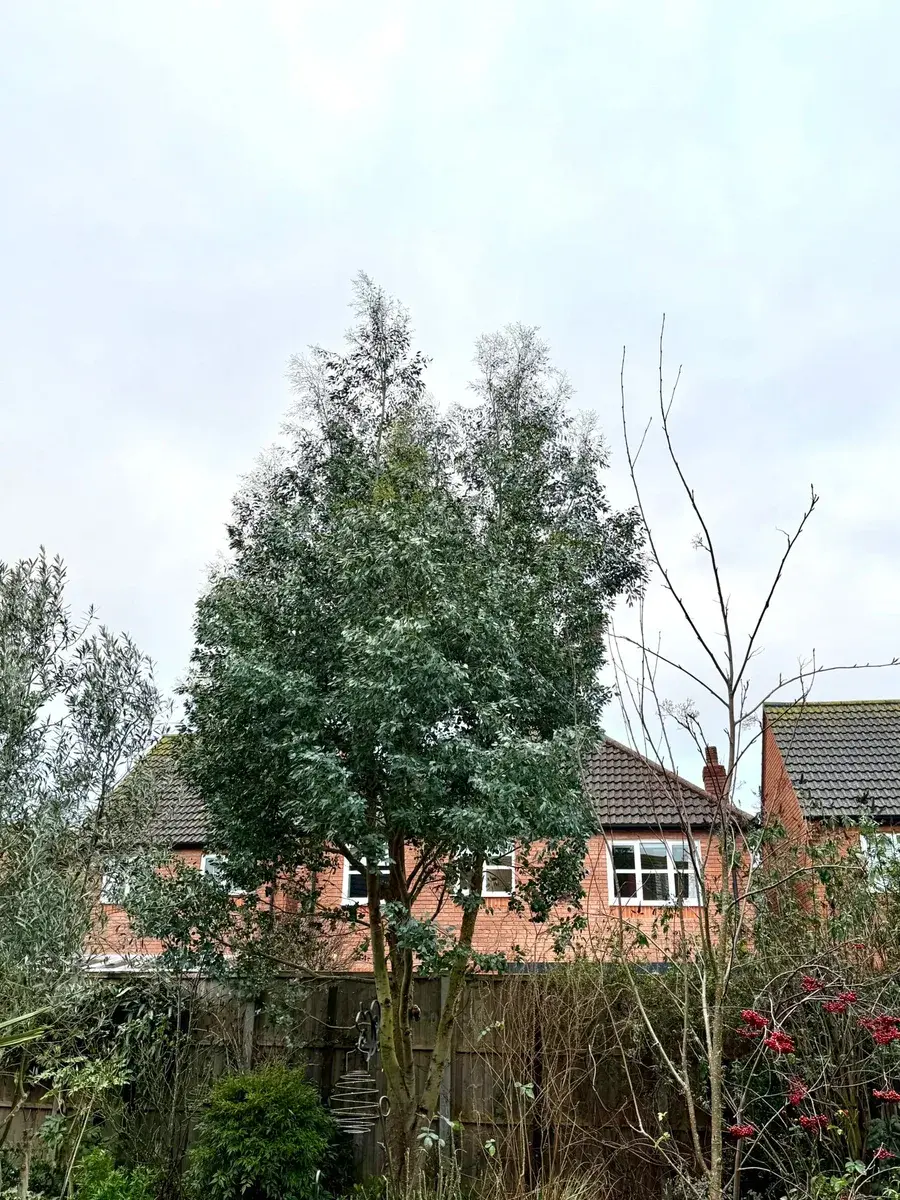
The assessor may ask when symptoms first appeared, whether they vary through the year and what has changed around the tree. Useful history includes new drainage, paving, excavation, major pruning, flooding and unusual loading on the rooting area. Earlier photographs can show whether a crown has thinned gradually or a branch union has changed recently. Bring any previous report so recommendations can be compared rather than restarted.
Good monitoring also records apparent health. Observatree's January 2026 review reported 867 healthy-tree reports during 2025, alongside records made for other purposes. That figure comes from a surveillance programme, not household inspections, but it illustrates the value of a baseline. Knowing that a feature was absent or unchanged at an earlier visit can be as useful as identifying a new symptom today.
Practical points
- Explain the purpose before booking the visit.
- Share previous reports and site changes.
- Ask what findings require earlier reassessment.
The visual inspection follows the whole tree
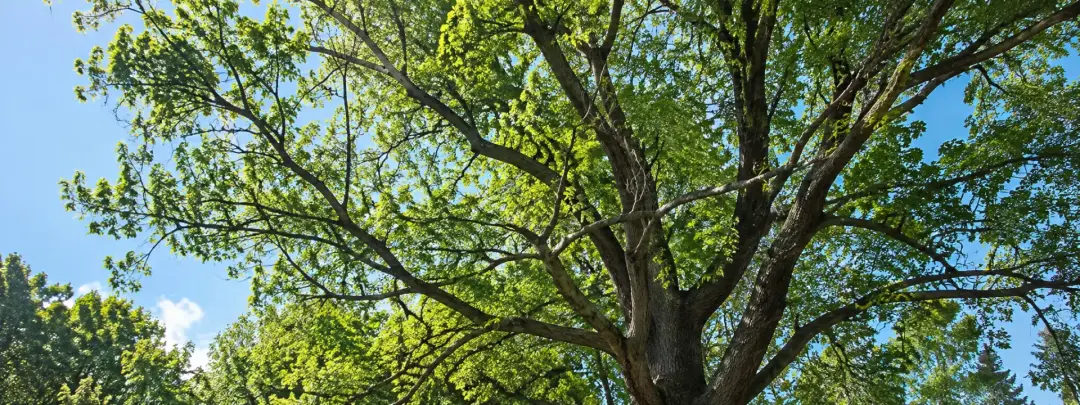
A visual check commonly considers the crown, main branches, stem, base and visible rooting environment. The inspector looks for features such as branch death, abnormal growth, wounds, fungal fruiting bodies, cavities and changes in soil level. The tree's species, maturity and growth habit help interpret what is seen. Access and visibility matter: dense vegetation, buildings or a high canopy may restrict some observations.
An inspection should also consider the surroundings where relevant to its purpose. A defect beside a quiet boundary and one over a main entrance can lead to different management priorities. Visual findings describe evidence available on the day; they cannot reveal every hidden root or internal cavity. If a part cannot be assessed adequately, ask how that affects the recommendation and whether another inspection method would materially improve the decision.
Looking for a professional tree inspection?
Arrange a tree health inspection with Wood Lane Treeworks for a property in one of these areas:
Extra tests should answer a specific uncertainty
A climbing inspection may provide a closer view of an upper defect, while specialist equipment can help investigate particular questions about internal wood or roots. Such methods are not automatically necessary for every tree. The useful question is what uncertainty the proposed test addresses and how its result could change the management recommendation. More equipment does not by itself produce a more useful assessment.
Ask for the reason, scope and limitations before agreeing additional work. Some tests involve invasive measurements and require careful selection of location and interpretation. Laboratory identification may be appropriate for certain suspected pests or diseases; other findings can be identified visually with sufficient confidence. Where the evidence remains inconclusive, a follow-up at another season or referral to a specialist may be more appropriate than presenting an uncertain diagnosis as fact.
The findings should separate condition from action
Expect an explanation of what was observed, why it matters and what response is recommended. A report may distinguish physiological health, structural features and site-related concerns. Recommendations could include no immediate work, a monitoring interval, changes around the root zone, selective pruning or further investigation. Removal is one possible outcome, but it should follow the findings rather than be assumed at the start.
Where work is advised, ask for a specification clear enough to use when obtaining quotations. Identify which branch or area is affected, what outcome is intended and how quickly action is needed. A general instruction to tidy the tree leaves too much open to interpretation. For pruning recommendations, the tree pruning service provides a useful route to discussing the work once its purpose has been established.
Make the follow-up part of the result
Before the visit ends, clarify what you should monitor and what would trigger an earlier return. That could be further crown loss, a new crack, visible soil movement or a change in the use beneath the tree. The appropriate review period depends on the findings and setting; there is no single inspection frequency that suits every garden, species and defect.
Keep the report with photographs and records of completed work. If conditions change, tell the assessor rather than assuming the earlier advice covers the new situation. A tree health check describes a living system at a point in time and cannot guarantee that failure will never occur. Its value is a better-informed management plan, a clear record and a practical route from observations to proportionate action.
Sources and further reading
Research checked on 5 November 2026. Figures retain their stated reporting periods and geographic scope.
Summary and next steps
The most useful inspection leaves you with understandable findings, suitable recommendations and a follow-up plan. Discuss your concern with Wood Lane Treeworks so the proposed health check matches the tree and the information you need.