Professional tree removal normally involves a site assessment, an agreed method and quotation, checks before work, controlled removal, and clearance to the specified standard. The tree may come down in sections rather than in one piece. Understanding those stages helps property owners in Gloucester compare quotations and prepare access without entering the working area.
The first visit sets the method
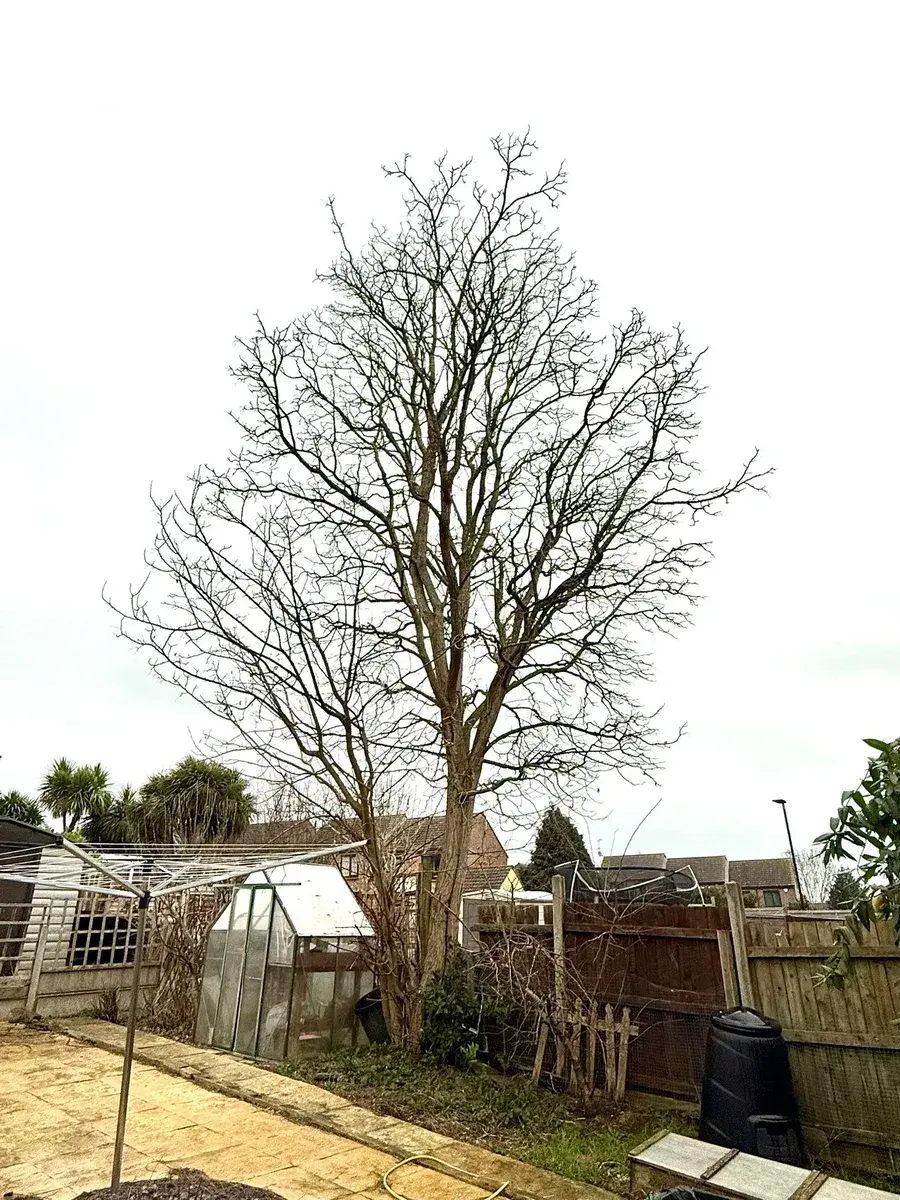
The initial assessment considers the tree's size and condition alongside everything around it. Narrow side passages, conservatories, neighbouring gardens, overhead services, parked vehicles and access from the road can all affect the method. A tree in an open field presents a different task from a similar tree enclosed by buildings. Tell the contractor about underground services, septic systems and fragile surfaces that might not be obvious.
Expect questions about ownership, your reasons for removal and what result you want afterwards. Photographs can help with an initial enquiry, but the method must reflect actual site conditions. Ask who will check any protection or permissions and whether additional surveys are needed. A good scope distinguishes taking down the tree from removing its stump, restoring the ground and planting a replacement: these are separate tasks unless the quotation includes them.
Read the quotation as a list of outcomes
Compare what each quotation includes, rather than price alone. Useful details identify the tree, describe the proposed work and explain access arrangements, waste handling and the finished condition of the site. If you want logs retained, specify where they should be stacked and whether cutting them to manageable lengths is included. Woodchip retention should also be agreed before the team arrives.
Check evidence of suitable insurance and competence for the work proposed, including any specialist access arrangements. Ask how the contractor plans for emergencies and protects other site users. HSE's 2025/26 figures record 31 worker deaths from falls from height across Great Britain. That is an all-industry statistic, not a count of tree-removal deaths, but it explains why choosing and controlling the access method is an essential part of professional planning.
Practical points
- Confirm whether stump work is included.
- Agree access and retained timber in writing.
- Keep everyone outside the marked work zone.
Prepare the site without taking on tree work
Before the appointment, clear movable items from the agreed access route and move vehicles if requested. Garden furniture, washing lines, children's equipment and pots may need relocating. Tell neighbours about likely noise or access requirements where appropriate. Keep pets indoors or away from the work zone, and make sure the contractor knows about gates that must stay secure.
Leave decisions about exclusion zones and machinery positions to the team. Do not begin cutting branches to make their task easier, climb the tree to inspect it, or arrange ladders beneath it. On arrival, the crew should review conditions, identify hazards and confirm how people will be kept clear. Changed weather, unexpected decay, wildlife findings or access problems can alter the plan; a delay for reassessment can be the appropriate outcome.
Planning a professional tree removal?
For tree removal planning and practical site advice, Wood Lane Treeworks covers these communities:
How the tree is brought down
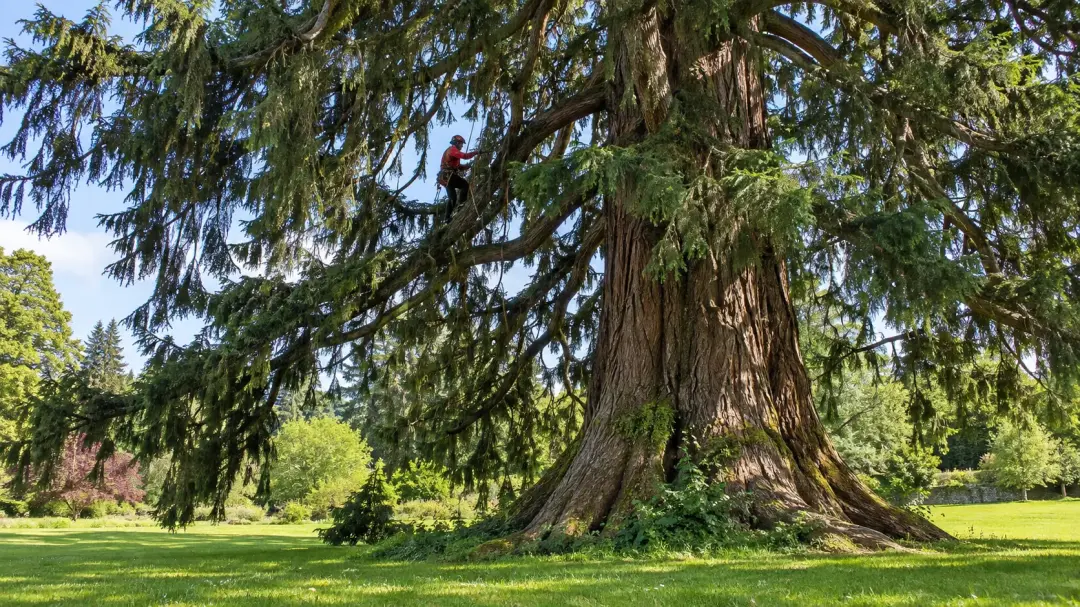
Where space and conditions permit, a contractor may fell a tree from ground level. In confined locations, dismantling in smaller sections may provide greater control. Depending on the tree and site, the work could involve climbing, a mobile work platform, rigging equipment or other specialist machinery. The right approach is determined by the risk assessment, rather than by a universal preference for one technique.
During dismantling, cut material may be lowered under control or handled within a designated clear area. Ground staff manage branches and timber while maintaining communication with the person working above. You should expect noise from saws and chippers and temporary restrictions around the work zone. Observe only from an agreed safe position. If you need to speak to the team, use the contact arrangement agreed beforehand rather than walking towards operating machinery.
Stumps, roots and the finished ground
Taking down the trunk usually leaves a stump unless separate work is specified. Stump grinding reduces the stump below ground using specialist equipment; it does not excavate every root through the garden. The required depth depends on what the space will be used for, and access for the grinder needs checking before the job is booked. Tell the contractor if a fence, patio or planting scheme is planned.
For more about that separate operation, see stump grinding. Agree whether grindings will remain, be removed, or be combined with suitable backfill, and whether additional topsoil is included. Ground that looks level immediately after work can settle later. Avoid assuming it is ready for construction or immediate planting in the same position; preparation should match the intended next use.
The final handover and realistic timing
At handover, check the completed work against the quotation: the agreed tree removed, retained materials placed correctly and specified waste cleared. Ask the team to explain any remaining stump, temporary ground condition or follow-up recommendation. If work had to stop because of an unexpected constraint, the outstanding scope should be clear rather than left to assumption.
There is no reliable single duration for every tree removal. Tree size, decay, rigging requirements, lifting distances, traffic arrangements and weather all affect the programme. A straightforward accessible tree and a large dismantle above buildings can require very different resources. Ask for the expected arrival arrangements and approximate programme for your site, and allow for changes where safety checks reveal something new. The best preparation is a clear specification and an accessible point of contact.
Sources and further reading
Research checked on 5 November 2026. Figures retain their stated reporting periods and geographic scope.
Summary and next steps
A well-organised removal leaves you knowing the method, your preparation tasks and what the finished site will look like. Discuss your tree and access with Wood Lane Treeworks to establish the removal scope before work is booked.