The best time to prune trees depends on species, purpose, condition and local circumstances. Many deciduous trees suit dormant-season work, but cherries, plums and several other species need different timing. In Gloucester, the right appointment should follow the tree's biology and wildlife checks, rather than a rule that every tree must be pruned in winter.
Start with the tree and the reason for cutting
Identify the species and decide what the pruning is intended to achieve. Removing a broken limb, training a young tree, maintaining a fruiting framework and reducing an established crown are different operations. A useful recommendation combines the type of work with its timing, because a season that suits one objective may produce an unwanted response for another. If identification is uncertain, resolve that before booking substantial cutting.
Flowering and fruiting habits also matter. Cutting at the wrong stage can remove buds that would have produced the display or crop you wanted. Tell the arborist whether your priority is clearance, form, fruit, flowers or management of a defect. That gives the proposed schedule a clear purpose and avoids choosing a convenient date first, then trying to fit the tree's needs around it.
Dormant-season pruning suits many deciduous trees
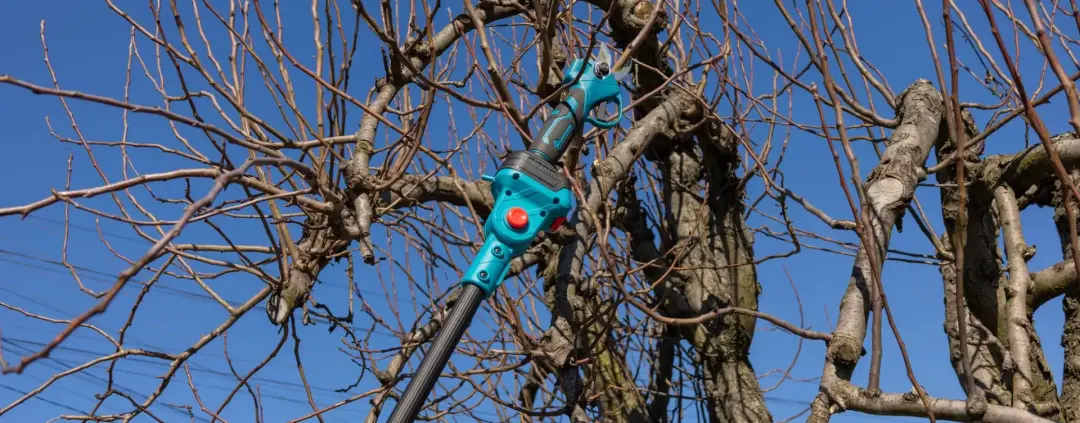
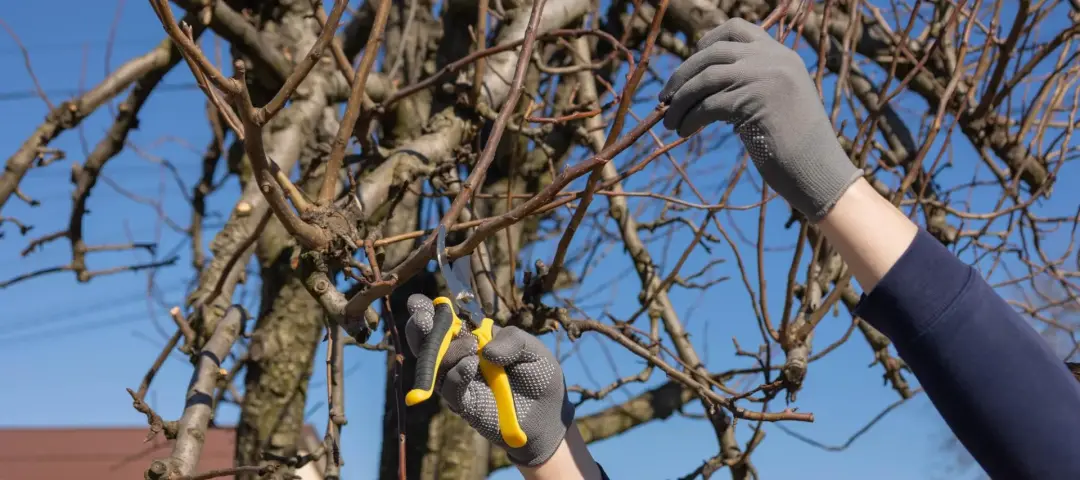
When a deciduous tree has lost its leaves, its branch framework can be easier to assess. That makes the dormant season useful for some structural work, and many trees tolerate suitable pruning then. However, dormant does not mean every cut is harmless. The size of wounds, the amount removed, the tree's condition and the species still determine whether the proposed operation is appropriate.
Winter work should also account for weather and ground conditions. High winds can prevent safe access, and saturated ground may affect machinery routes. Very cold conditions or a stressed tree can justify postponement. Discuss the practical window with the contractor rather than relying on a fixed month copied from a general calendar. Where the objective can wait, choosing suitable conditions is part of good tree care.
Practical points
- Identify the species before choosing a month.
- Match timing to the purpose of pruning.
- Check wildlife and protection before work starts.
Some species need a different seasonal window
RHS guidance identifies cherries and plums as exceptions to a blanket winter rule, recommending pruning from April to July to reduce exposure to silver leaf infection. Other species, including those prone to conspicuous sap bleeding, have their own timing considerations. Evergreens also vary: many broadleaved evergreens are pruned in spring, while conifer management must account for species and the ability to regrow from older wood.
These are starting points rather than permission to cut any amount within those months. A large old cherry, a recently planted plum and an established ornamental tree can need different approaches. Check species-specific advice and the purpose of the work. If a tree is already declining, ask whether pruning is likely to help now or whether investigating the cause of stress should come first.
Watch the season, not only the calendar
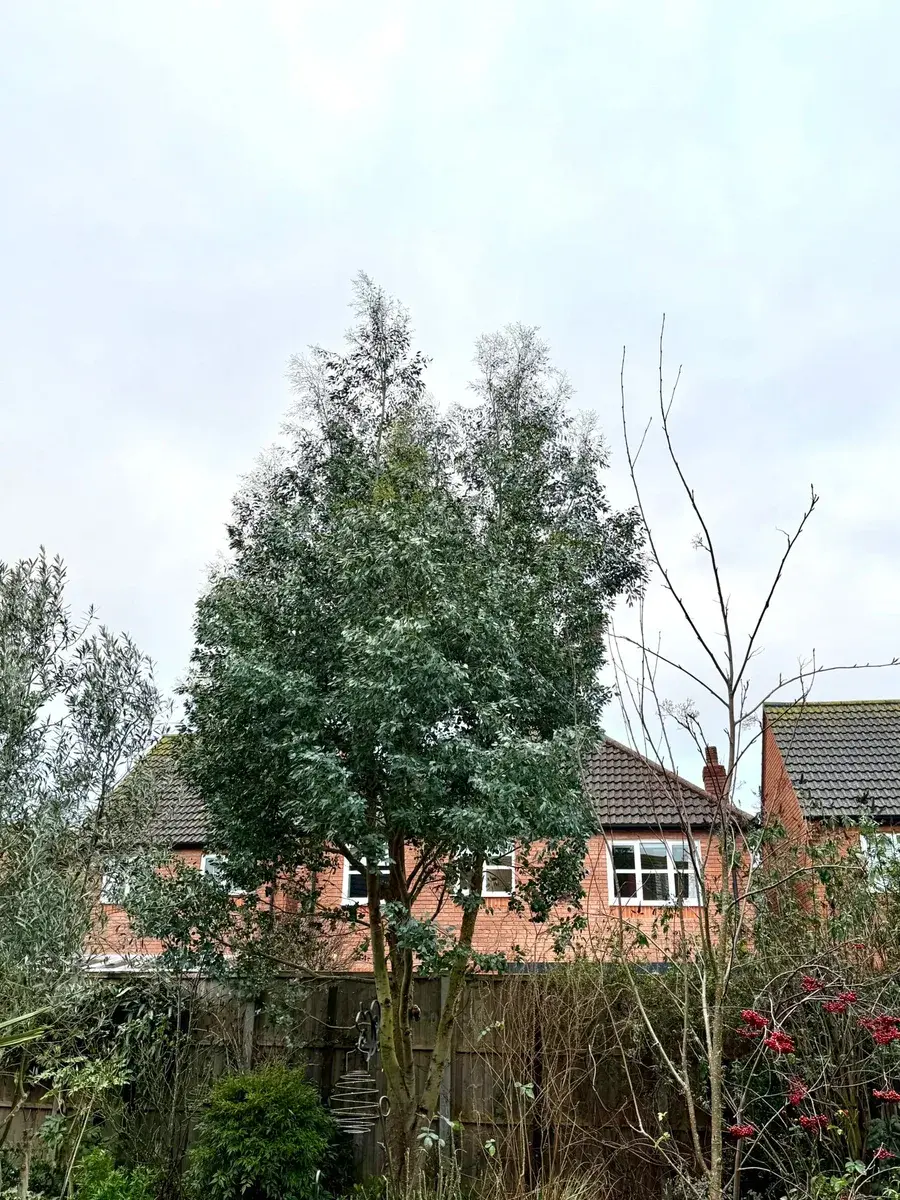
Spring development varies from year to year and between sheltered gardens and exposed sites. Woodland Trust observations for 2025 found blackthorn flowering nine days earlier than the 2000 to 2019 average. That is a phenological finding for blackthorn, not a direct pruning instruction, but it illustrates why a calendar date cannot describe every tree's stage of development. Buds, flowering and current conditions provide useful context.
For the same reason, a period of prolonged drought or unusual heat may change the advice for non-urgent work. Pruning removes living foliage and creates wounds, so a tree already under stress deserves individual consideration. Tell the contractor about recent leaf scorch, watering difficulties or construction disturbance. Ask whether waiting would improve the tree's prospects without leaving an unacceptable defect or obstruction in place.
Planning the right time for tree pruning?
Discuss tree pruning with Wood Lane Treeworks, serving homes and gardens in these areas:
Wildlife and protected-tree checks come first
A biologically suitable pruning date may still conflict with wildlife or tree-protection requirements. Active wild-bird nests are protected while in use or being built, including outside the months commonly described as the nesting season. Bat roosts have separate protection and may require specialist advice. A check made weeks before the work does not remove the need to consider conditions when the team arrives.
Tree Preservation Orders and conservation-area controls can also affect scheduling. Allow time to establish whether consent or notice is required and to obtain any necessary decision. Do not assume small-scale pruning is automatically exempt. The practical sequence is to identify the tree and work, check restrictions, and choose an appropriate window. This avoids booking a team for a date when the work cannot lawfully or responsibly proceed.
Urgent defects need their own response
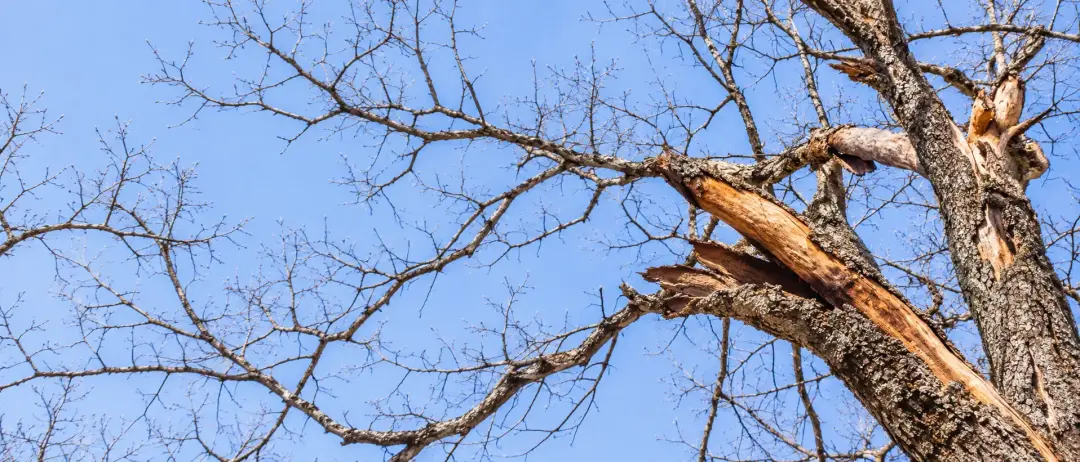
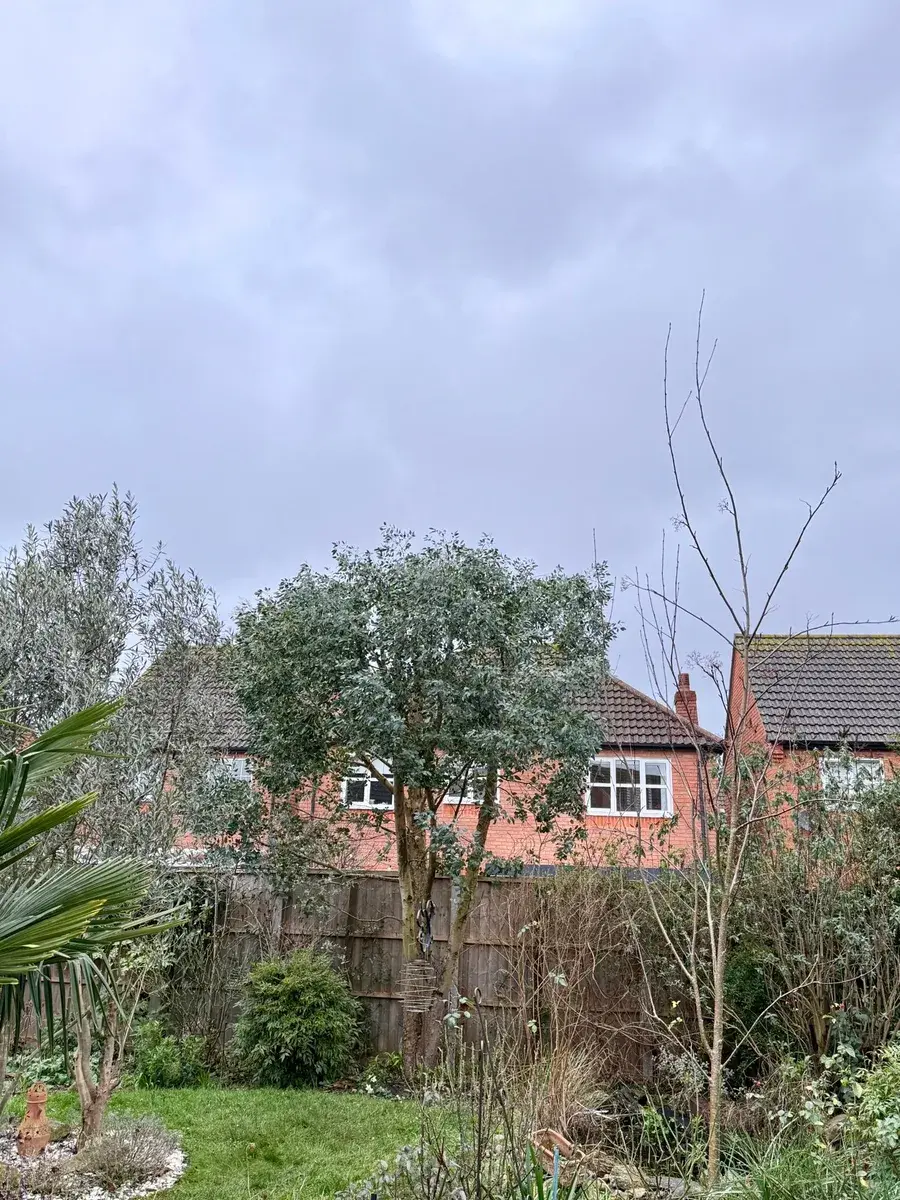
A hanging branch, storm-damaged union or sudden structural change should not be left unassessed simply because the usual pruning season is months away. Seek prompt professional advice and keep people away from the affected area. The response may involve making a hazard safe, with any optional shaping postponed until a more suitable time. Urgency should be assessed from the actual defect and its surroundings.
For planned work, discuss a realistic schedule through the tree pruning service. Share the species if known, your objective and any previous pruning history. A useful plan states what will be done, why that timing is suitable and whether a later review is needed. The best date is the one that fits those factors together, rather than the earliest available slot or a universal seasonal slogan.
Sources and further reading
Research checked on 5 November 2026. Figures retain their stated reporting periods and geographic scope.
Summary and next steps
Good timing balances species, the intended result and the conditions on site. Speak to Wood Lane Treeworks about the work your tree needs so an appropriate pruning window can be considered before cutting begins.